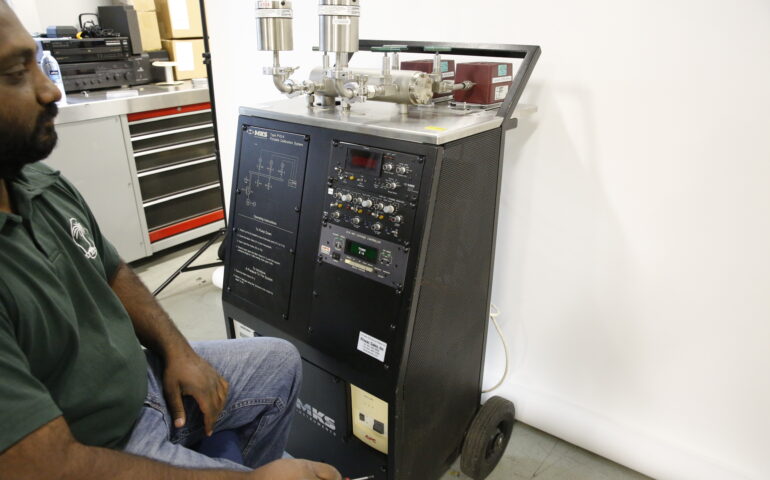
Featured Answer: How Do Calibration Services Help With GMP Compliance? Calibration services help support Good Manufacturing Practice (GMP) compliance by verifying that instruments used to measure, monitor, control, or document critical processes are performing within established tolerances. A structured calibration program provides documented evidence of instrument accuracy, measurement traceability, calibration status, acceptance criteria, and corrective
Featured Answer: What Is Pressure Gauge Calibration? Pressure gauge calibration is the process of comparing a pressure gauge’s readings against a known, traceable reference standard to determine whether the gauge is measuring pressure accurately within an established tolerance. During calibration, technicians apply specific pressure points across the instrument’s operating range, compare the indicated values with
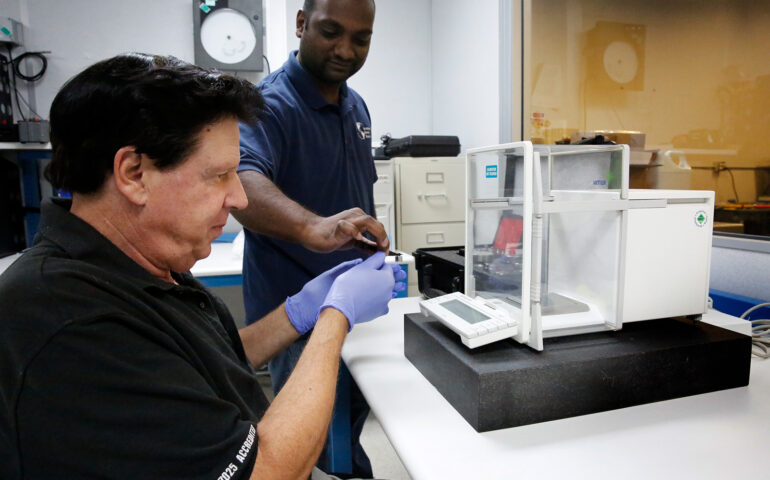
Choosing the right calibration laboratory is an important decision for any organization that depends on accurate measurements, reliable equipment, traceable documentation, and consistent quality standards. A calibration provider is not simply a company that adjusts instruments. The laboratory you select can directly affect equipment reliability, audit readiness, product quality, process consistency, and your ability to

In industries where accuracy, quality, safety, and regulatory compliance matter, the terms calibration and certification are often used together. However, they do not mean the same thing. Understanding the difference between calibration and certification is important for laboratories, pharmaceutical companies, biotechnology facilities, manufacturers, research organizations, and other businesses that rely on accurate measurement equipment. At

Torque wrenches are relied upon across manufacturing, aerospace, automotive, pharmaceutical, laboratory, industrial maintenance, and other precision-driven environments where fastening accuracy matters. When a torque wrench falls outside its acceptable tolerance, the consequences can extend far beyond an inaccurate reading. Improper torque can contribute to loose fasteners, damaged components, equipment failures, inconsistent assemblies, rejected products, and
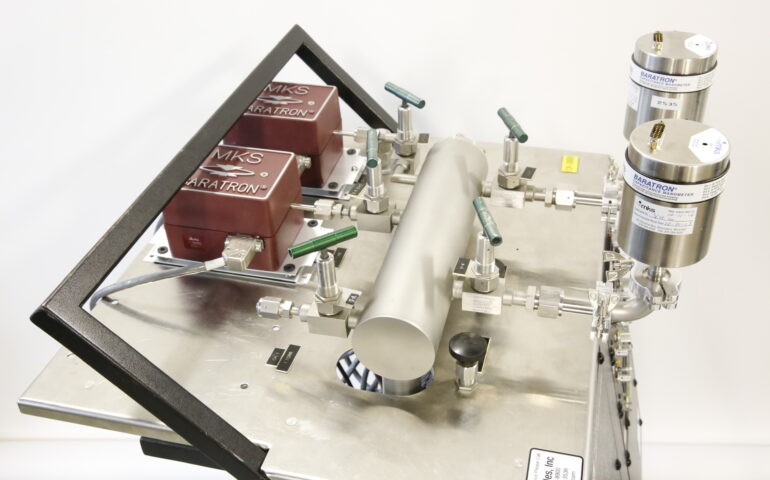
Featured Answer: What Qualifications Should You Look for in a Calibration Provider? No, not all calibration providers are the same. When selecting a calibration company, businesses should evaluate the provider’s ISO/IEC 17025 accreditation, measurement traceability, technical capabilities, calibration procedures, uncertainty reporting, documentation practices, equipment expertise, turnaround times, and ability to support regulatory requirements. A qualified

When accuracy matters, simply calibrating an instrument is not enough. Organizations need to know how the measurement was established, what standards were used, and how those standards relate to recognized national or international measurement references. This is where traceable calibration becomes essential. At International Process Solutions (IPS), we provide professional calibration services designed to help
Featured Answer Choosing the right calibration service provider means selecting a company that offers ISO/IEC 17025 accredited calibration, traceable standards, experienced technicians, fast turnaround times, comprehensive documentation, on-site and laboratory services, regulatory compliance expertise, and the ability to calibrate all of your critical equipment. At International Process Solutions (IPS), we help businesses maintain accuracy, compliance,
In regulated industries, calibration and verification are often used interchangeably, but they serve two very different purposes. Choosing the wrong process can impact product quality, regulatory compliance, equipment performance, and audit readiness. At International Process Solutions (IPS), we help organizations throughout California maintain the highest standards by providing professional calibration, verification, validation, and documentation services
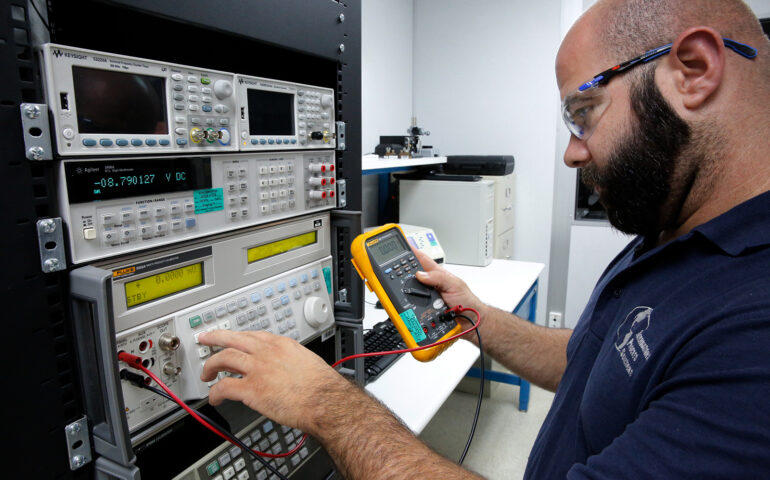
At International Process Solutions, we work every day with organizations that depend on accurate, reliable, and traceable measurements. In regulated and precision-driven industries, calibration is not optional—it is foundational. One of the most critical standards governing calibration laboratories worldwide is ISO/IEC 17025. This international standard defines the competence, consistency, and technical credibility of testing and


Recent Comments