
Maintaining the integrity of HEPA-filtered environments is critical in pharmaceutical manufacturing, biotechnology, medical device production, hospitals, research laboratories, cleanrooms, and other controlled environments. A properly calibrated and tested HEPA filtration system protects products, personnel, and processes from airborne contamination while supporting compliance with regulatory standards. At International Process Solutions (IPS), we provide comprehensive HEPA filter
Featured Answer Bio safety cabinet calibration is the process of testing, certifying, and documenting the performance of a biological safety cabinet to verify that airflow velocity, HEPA filter integrity, containment, and operational safety meet NSF/ANSI 49, CDC, NIH, and manufacturer requirements. At International Process Solutions (IPS), we provide professional bio safety cabinet calibration services performed
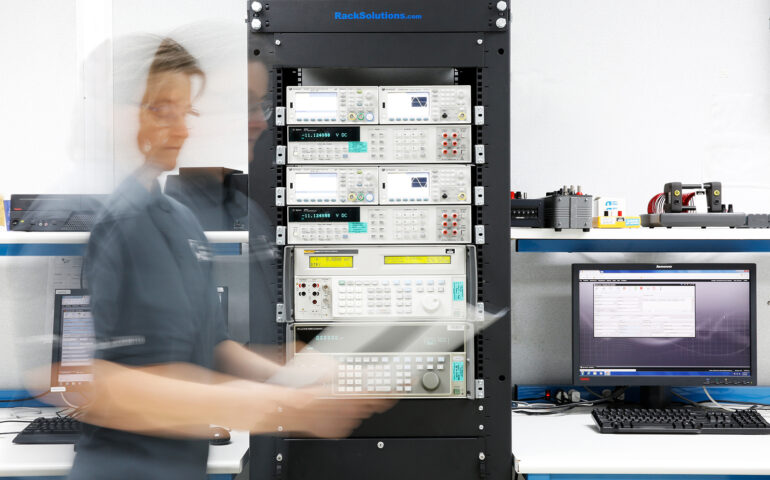
Featured Answer Choosing the right calibration service provider means selecting a company that offers ISO/IEC 17025 accredited calibration, traceable standards, experienced technicians, fast turnaround times, comprehensive documentation, on-site and laboratory services, regulatory compliance expertise, and the ability to calibrate all of your critical equipment. At International Process Solutions (IPS), we help businesses maintain accuracy, compliance,

Accurate laboratory data begins with properly calibrated equipment. Whether your laboratory operates in the pharmaceutical, biotechnology, healthcare, food and beverage, environmental, research, manufacturing, or life sciences industry, maintaining precise measurements is essential for quality, regulatory compliance, and reliable results. At International Process Solutions (IPS), we provide comprehensive laboratory equipment calibration services that help organizations maintain
Accurate temperature measurement is essential in industries where quality, safety, compliance, and product integrity depend on precise environmental and process conditions. From pharmaceutical manufacturing and biotechnology laboratories to food production facilities and industrial manufacturing plants, a properly calibrated thermometer ensures that critical processes remain within specified tolerances. At International Process Solutions, we provide professional thermometer
Comprehensive calibration services help pharmaceutical, biotechnology, healthcare, and research laboratories maintain accurate performance and regulatory confidence. California — International Process Solutions (IPS), a leading provider of calibration, validation, and compliance services, is proud to announce the continued expansion of its Biosafety Cabinet (BSC) Calibration Services for laboratories and regulated facilities throughout California. Designed to support
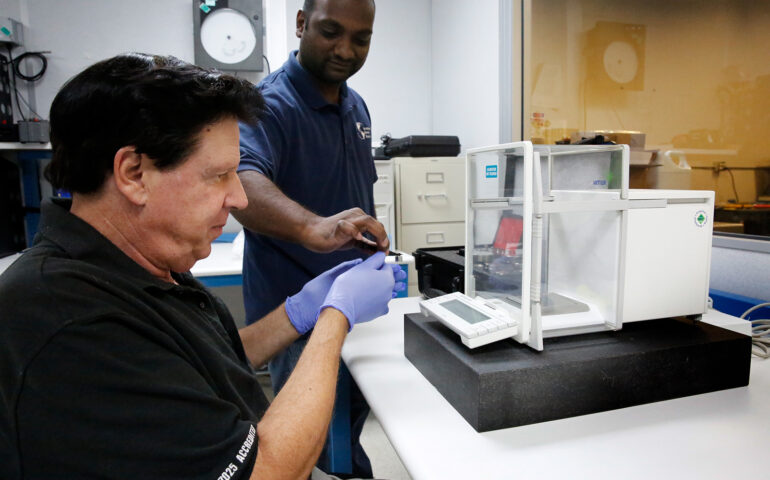
In regulated industries, calibration and verification are often used interchangeably, but they serve two very different purposes. Choosing the wrong process can impact product quality, regulatory compliance, equipment performance, and audit readiness. At International Process Solutions (IPS), we help organizations throughout California maintain the highest standards by providing professional calibration, verification, validation, and documentation services
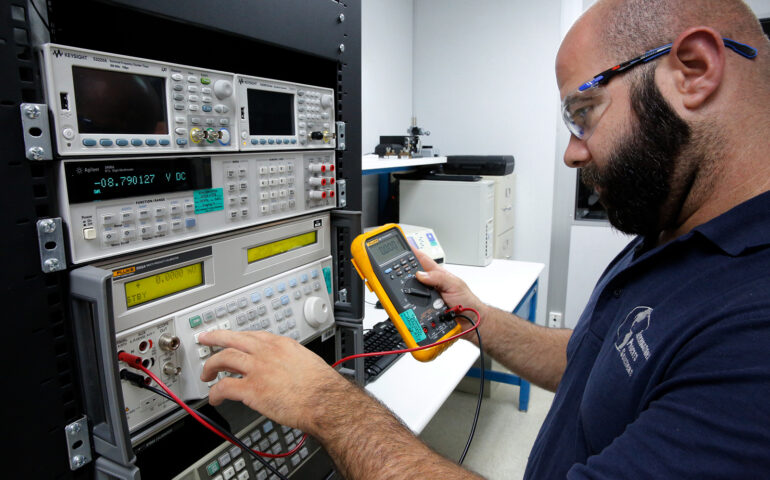
Accurate measurements are the foundation of quality manufacturing, pharmaceutical production, laboratory testing, medical device manufacturing, aerospace, biotechnology, and research. Even the highest-quality instrument will gradually drift over time due to normal wear, environmental conditions, transportation, and repeated use. When equipment falls outside acceptable tolerances, the consequences can include failed inspections, rejected products, inaccurate data, production
Medical devices are only as reliable as the accuracy of their measurements. Whether monitoring patient vital signs, performing diagnostic testing, or supporting pharmaceutical manufacturing, precision is essential. At International Process Solutions (IPS), we provide medical device calibration services that help healthcare providers, laboratories, manufacturers, and regulated facilities maintain the highest standards of performance, accuracy, and
Are Inaccurate Pipettes Putting Your Research, Testing, or Production at Risk? When you’re working in a laboratory, every microliter matters. A pipette that dispenses even a tiny amount more or less than intended can compromise an entire experiment, delay production, waste expensive reagents, or lead to failed quality control tests. In regulated industries such as


Recent Comments