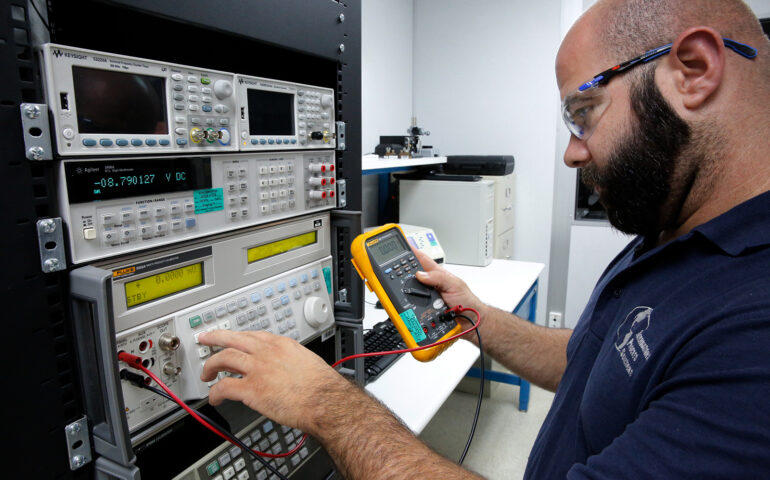
Featured Answer: How Can Calibration Reduce Measurement Errors? Calibration reduces measurement errors by comparing an instrument’s indication against a reference standard with established metrological traceability, determining the relationship between the indicated and reference values, and quantifying measurement uncertainty. When an instrument is found outside acceptable limits, the results can support decisions about adjustment, repair, or

In industries where measurement accuracy, process control, product quality, and regulatory compliance matter, the terms calibration, verification, and adjustment are often used together. Although they are closely related, they describe three different activities. Understanding the distinction is essential when managing measurement equipment, preparing for audits, maintaining quality systems, and determining whether an instrument is suitable
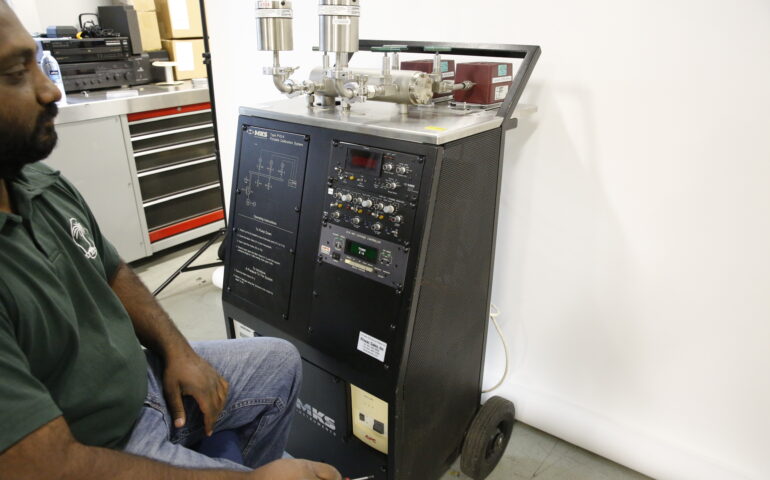
Featured Answer: How Do Calibration Services Help With GMP Compliance? Calibration services help support Good Manufacturing Practice (GMP) compliance by verifying that instruments used to measure, monitor, control, or document critical processes are performing within established tolerances. A structured calibration program provides documented evidence of instrument accuracy, measurement traceability, calibration status, acceptance criteria, and corrective
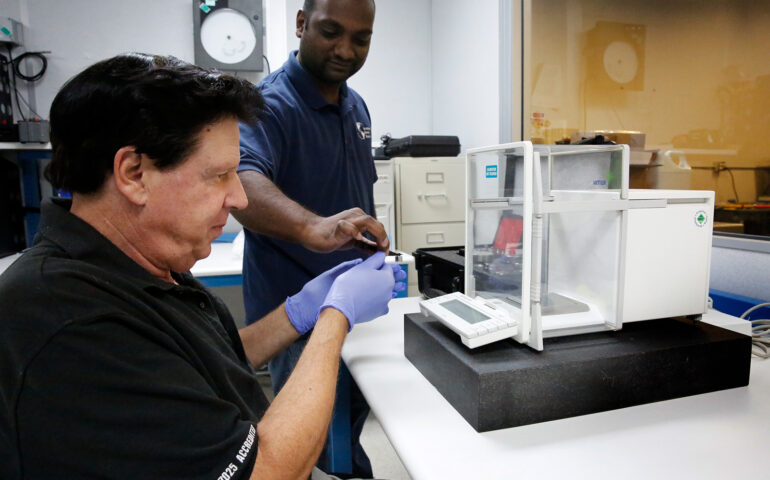
In regulated industries, calibration and verification are often used interchangeably, but they serve two very different purposes. Choosing the wrong process can impact product quality, regulatory compliance, equipment performance, and audit readiness. At International Process Solutions (IPS), we help organizations throughout California maintain the highest standards by providing professional calibration, verification, validation, and documentation services


Recent Comments