

Biosafety cabinet calibration is the process of measuring and verifying critical operating parameters of a biological safety cabinet, including airflow performance and other measurable functions, using appropriate test instruments and procedures. In practice, laboratories often use the term biosafety cabinet calibration when referring to the broader process of biosafety cabinet testing and certification. Certification evaluates
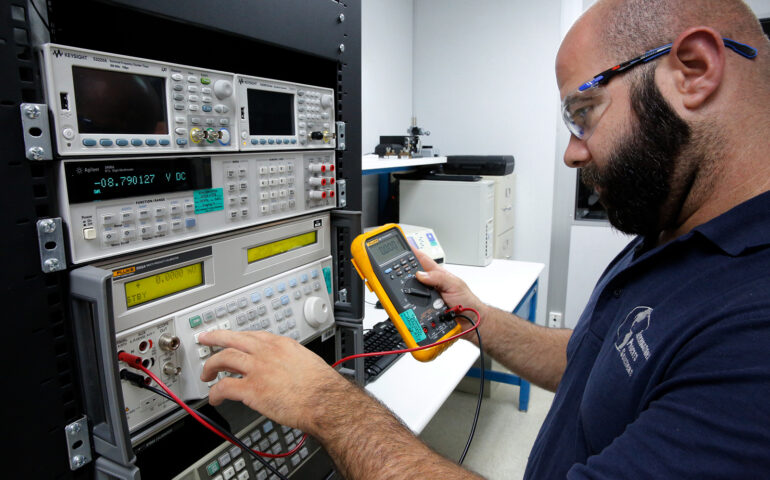
Choosing a calibration provider requires more than finding a company capable of checking an instrument and issuing a certificate. Organizations operating in pharmaceutical, biotechnology, life sciences, manufacturing, research, water, oil and gas, and other quality-driven industries need calibration services supported by appropriate technical competence, documented procedures, measurement traceability, and reliable records. At International Process Solutions

Calibration audits can place significant scrutiny on an organization’s measurement systems, calibration records, equipment status, traceability, procedures, and quality controls. Whether an audit is conducted by a customer, regulatory authority, accreditation body, or internal quality team, preparation should begin well before the auditor arrives. At International Process Solutions (IPS), we work with organizations throughout Southern
Featured Answer: How Can Calibration Reduce Measurement Errors? Calibration reduces measurement errors by comparing an instrument’s indication against a reference standard with established metrological traceability, determining the relationship between the indicated and reference values, and quantifying measurement uncertainty. When an instrument is found outside acceptable limits, the results can support decisions about adjustment, repair, or

Featured Answer: What Is ISO 8655? ISO 8655 is an international standards series covering piston-operated volumetric apparatus (POVA), including piston pipettes, burettes, dilutors, dispensers, and certain manually operated precision laboratory devices used to measure or deliver liquids. The standards establish requirements and test methods addressing areas such as design, metrological performance, maximum permissible errors, calibration,

Featured Answer: What Is Calibration Uncertainty? Calibration uncertainty is the quantified doubt associated with the result of a calibration. It expresses the range within which the true value of a measurement is reasonably expected to lie, based on identified sources of variation in the calibration process. Calibration uncertainty may account for the reference standard, instrument

In industries where measurement accuracy, process control, product quality, and regulatory compliance matter, the terms calibration, verification, and adjustment are often used together. Although they are closely related, they describe three different activities. Understanding the distinction is essential when managing measurement equipment, preparing for audits, maintaining quality systems, and determining whether an instrument is suitable

Featured Answer: How Is a Tensile Tester Calibrated? A tensile tester is calibrated by comparing its force-measurement system against traceable reference standards at multiple points throughout its operating range. During calibration, we evaluate the load cell and associated measurement system by applying known forces and comparing the tensile tester’s indicated readings with the reference values.

Calibration compliance depends on more than performing calibration on schedule. Organizations must maintain accurate, traceable records that demonstrate what was calibrated, when it was calibrated, how it was calibrated, what standards were used, and whether the equipment met its requirements. Well-maintained calibration records provide objective evidence that measuring equipment remains suitable for its intended use.

Featured Answer: What Is the Difference Between Adjustment and Calibration? Calibration determines how accurately an instrument measures by comparing its readings with a known reference standard, while adjustment changes the instrument to improve its performance or bring its readings closer to the desired value. Calibration identifies and documents measurement error; adjustment modifies the instrument. When



Recent Comments