

Featured Answer: Do Torque Wrenches Need Calibration? Yes, torque wrenches need calibration to verify that they apply the correct amount of torque within an acceptable tolerance. Over time, repeated use, normal wear, improper storage, accidental drops, environmental conditions, and mechanical changes can affect torque wrench accuracy. Regular torque wrench calibration helps identify measurement error before
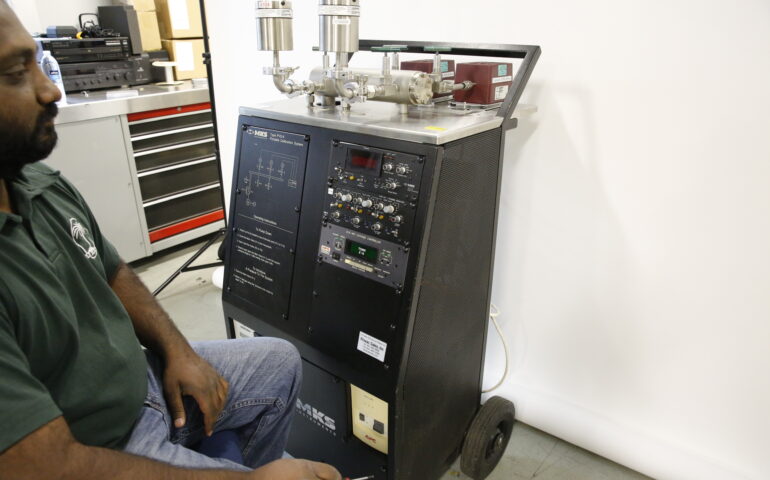
Featured Answer: How Do Calibration Services Help With GMP Compliance? Calibration services help support Good Manufacturing Practice (GMP) compliance by verifying that instruments used to measure, monitor, control, or document critical processes are performing within established tolerances. A structured calibration program provides documented evidence of instrument accuracy, measurement traceability, calibration status, acceptance criteria, and corrective
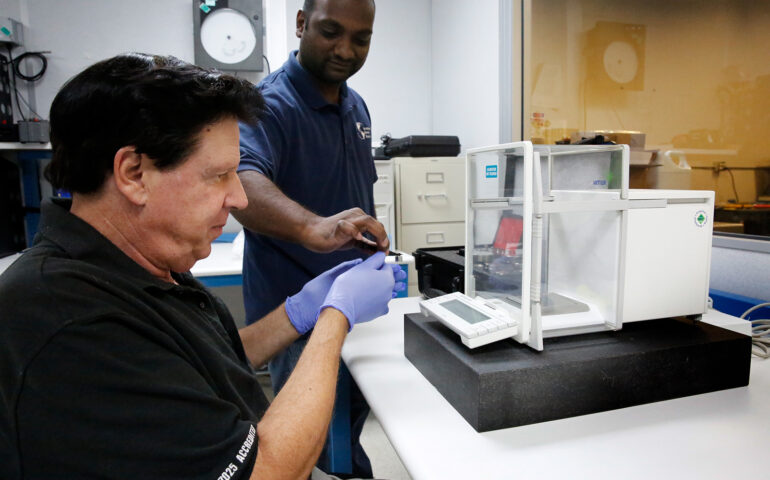
Choosing the right calibration laboratory is an important decision for any organization that depends on accurate measurements, reliable equipment, traceable documentation, and consistent quality standards. A calibration provider is not simply a company that adjusts instruments. The laboratory you select can directly affect equipment reliability, audit readiness, product quality, process consistency, and your ability to
Consistent product quality depends on the ability to measure critical process variables accurately. Temperature, pressure, weight, flow, humidity, torque, dimensional measurements, electrical values, and laboratory volumes can all influence whether a product meets established specifications. When the instruments responsible for these measurements drift outside acceptable tolerances, the production process can also move outside its intended
Modern manufacturing, pharmaceutical, biotechnology, laboratory, and industrial facilities often operate under demanding production schedules where extended equipment shutdowns are difficult or costly. As a result, one of the most important questions when planning instrument maintenance is whether calibration services can be performed during production hours. Featured Answer: Can Calibration Services Be Performed During Production Hours?
Pipettes are among the most frequently used measuring instruments in laboratories, and even small inaccuracies can affect experimental results, sample preparation, quality control, and regulatory documentation. Establishing an appropriate pipette calibration frequency is therefore an essential part of maintaining reliable laboratory operations. At International Process Solutions, we provide professional pipette calibration services designed to help

Humidity calibration is the process of comparing a humidity-measuring instrument against a known reference standard to determine its measurement accuracy and identify deviations. Accurate humidity measurement is essential in pharmaceutical manufacturing, biotechnology, laboratories, cleanrooms, environmental monitoring, manufacturing, research facilities, storage areas, and other controlled environments where relative humidity can affect products, processes, equipment, and test

Featured Answer: How Often Should Scales and Balances Be Calibrated? Scales and balances are commonly calibrated every 6 to 12 months, but the correct calibration frequency depends on the instrument’s use, required accuracy, operating environment, measurement risk, manufacturer recommendations, historical performance, and applicable quality or regulatory requirements. High-use or critical balances used in pharmaceutical, biotechnology,
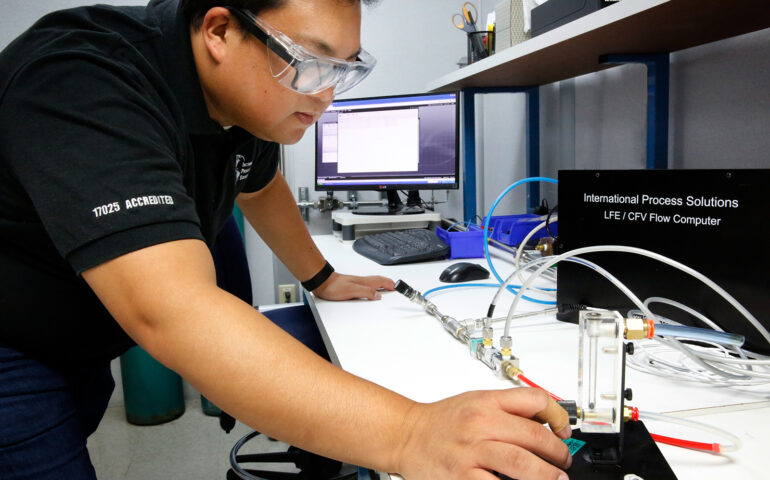
Featured Answer: Why Is Calibration Important for FDA Compliance? Calibration is important for FDA compliance because it helps ensure that instruments and equipment used to measure, monitor, test, manufacture, store, and control regulated products produce accurate and reliable results. In FDA-regulated environments, inaccurate measurements can affect product quality, process control, documentation, and ultimately patient or
Pharmaceutical facilities depend on accurate, repeatable, and traceable measurements throughout research, manufacturing, quality control, storage, packaging, and distribution. Instruments that measure, monitor, record, or control a parameter that can affect product quality, process performance, safety, or regulatory compliance generally need to be included in an established calibration program. At International Process Solutions (IPS), we understand



Recent Comments