
Calibration compliance depends on more than performing calibration on schedule. Organizations must maintain accurate, traceable records that demonstrate what was calibrated, when it was calibrated, how it was calibrated, what standards were used, and whether the equipment met its requirements. Well-maintained calibration records provide objective evidence that measuring equipment remains suitable for its intended use.

Featured Answer: What Is the Difference Between Adjustment and Calibration? Calibration determines how accurately an instrument measures by comparing its readings with a known reference standard, while adjustment changes the instrument to improve its performance or bring its readings closer to the desired value. Calibration identifies and documents measurement error; adjustment modifies the instrument. When
Featured Answer: Do Calibration Services Include Repairs? Calibration services may include adjustments or repairs, but calibration and repair are separate processes. Calibration determines how accurately an instrument performs compared with an appropriate reference standard. If an instrument is found outside its required tolerance, it may need adjustment, maintenance, or repair before it can meet its
Featured Answer: How Do Calibration Services Help With GMP Compliance? Calibration services help support Good Manufacturing Practice (GMP) compliance by verifying that instruments used to measure, monitor, control, or document critical processes are performing within established tolerances. A structured calibration program provides documented evidence of instrument accuracy, measurement traceability, calibration status, acceptance criteria, and corrective
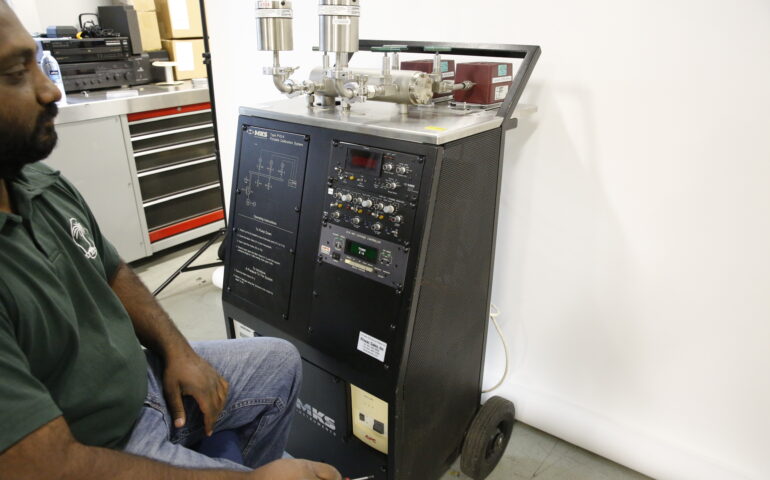
Featured Answer: What Is Pressure Gauge Calibration? Pressure gauge calibration is the process of comparing a pressure gauge’s readings against a known, traceable reference standard to determine whether the gauge is measuring pressure accurately within an established tolerance. During calibration, technicians apply specific pressure points across the instrument’s operating range, compare the indicated values with
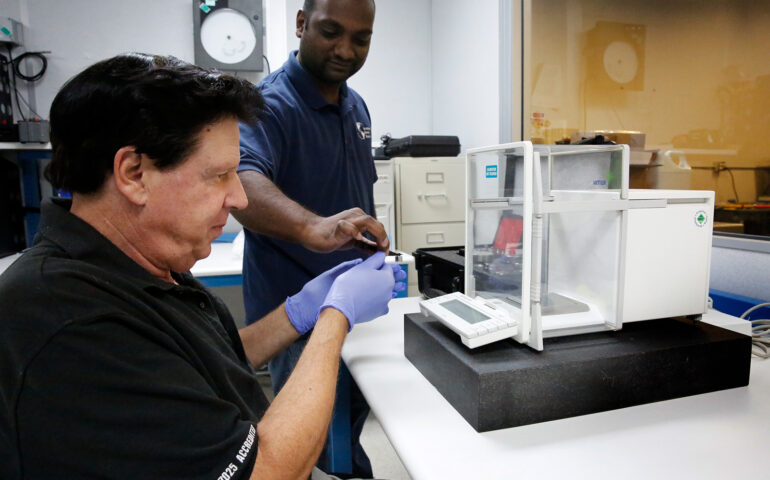
Choosing the right calibration laboratory is an important decision for any organization that depends on accurate measurements, reliable equipment, traceable documentation, and consistent quality standards. A calibration provider is not simply a company that adjusts instruments. The laboratory you select can directly affect equipment reliability, audit readiness, product quality, process consistency, and your ability to
Featured Answer: Why Is Calibration Important for FDA Compliance? Calibration is important for FDA compliance because it helps ensure that instruments and equipment used to measure, monitor, test, manufacture, store, and control regulated products produce accurate and reliable results. In FDA-regulated environments, inaccurate measurements can affect product quality, process control, documentation, and ultimately patient or

Pharmaceutical facilities depend on accurate, repeatable, and traceable measurements throughout research, manufacturing, quality control, storage, packaging, and distribution. Instruments that measure, monitor, record, or control a parameter that can affect product quality, process performance, safety, or regulatory compliance generally need to be included in an established calibration program. At International Process Solutions (IPS), we understand

In industries where accuracy, quality, safety, and regulatory compliance matter, the terms calibration and certification are often used together. However, they do not mean the same thing. Understanding the difference between calibration and certification is important for laboratories, pharmaceutical companies, biotechnology facilities, manufacturers, research organizations, and other businesses that rely on accurate measurement equipment. At
Laboratory equipment should be calibrated often enough to maintain measurement accuracy, reliability, traceability, and compliance throughout its use. While many laboratories establish calibration intervals of every six months or once per year, there is no single calibration frequency that is appropriate for every instrument. The correct calibration schedule depends on the type of equipment, frequency


Recent Comments