
In industries where accuracy, quality, safety, and regulatory compliance matter, the terms calibration and certification are often used together. However, they do not mean the same thing. Understanding the difference between calibration and certification is important for laboratories, pharmaceutical companies, biotechnology facilities, manufacturers, research organizations, and other businesses that rely on accurate measurement equipment. At
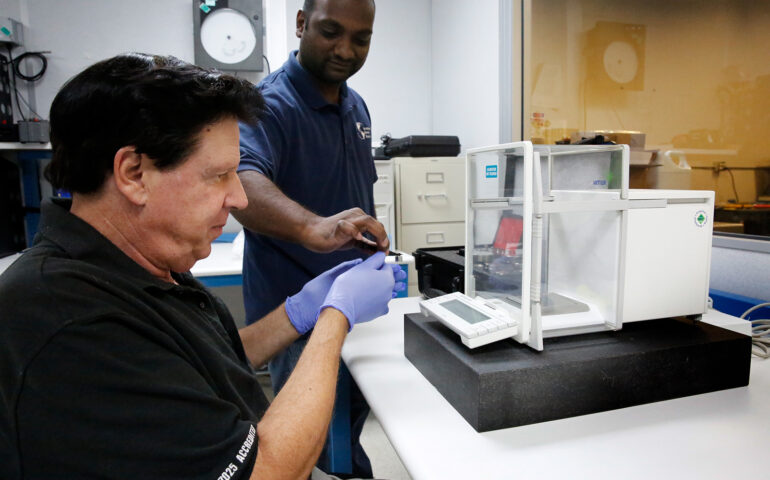
Laboratory equipment should be calibrated often enough to maintain measurement accuracy, reliability, traceability, and compliance throughout its use. While many laboratories establish calibration intervals of every six months or once per year, there is no single calibration frequency that is appropriate for every instrument. The correct calibration schedule depends on the type of equipment, frequency

When accuracy matters, simply calibrating an instrument is not enough. Organizations need to know how the measurement was established, what standards were used, and how those standards relate to recognized national or international measurement references. This is where traceable calibration becomes essential. At International Process Solutions (IPS), we provide professional calibration services designed to help
Featured Answer Choosing the right calibration service provider means selecting a company that offers ISO/IEC 17025 accredited calibration, traceable standards, experienced technicians, fast turnaround times, comprehensive documentation, on-site and laboratory services, regulatory compliance expertise, and the ability to calibrate all of your critical equipment. At International Process Solutions (IPS), we help businesses maintain accuracy, compliance,
In regulated industries, calibration and verification are often used interchangeably, but they serve two very different purposes. Choosing the wrong process can impact product quality, regulatory compliance, equipment performance, and audit readiness. At International Process Solutions (IPS), we help organizations throughout California maintain the highest standards by providing professional calibration, verification, validation, and documentation services
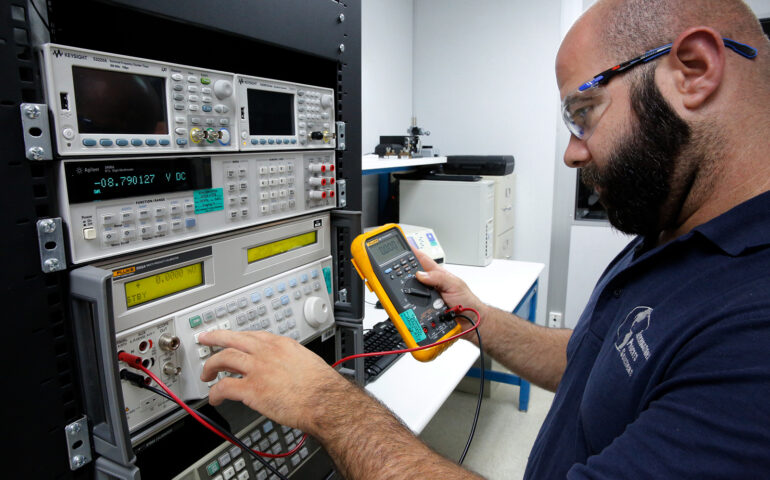
Accurate measurements are the foundation of quality manufacturing, pharmaceutical production, laboratory testing, medical device manufacturing, aerospace, biotechnology, and research. Even the highest-quality instrument will gradually drift over time due to normal wear, environmental conditions, transportation, and repeated use. When equipment falls outside acceptable tolerances, the consequences can include failed inspections, rejected products, inaccurate data, production

Moving or installing a biotechnology laboratory is one of the most challenging projects any research organization can face. A single mistake can lead to damaged equipment, lost research samples, extended downtime, failed experiments, or even months of lost work. When your laboratory contains temperature-sensitive samples, expensive analytical instruments, or operating research programs, every minute matters.
Humidity can quietly become one of the biggest threats to product quality, manufacturing consistency, laboratory accuracy, and regulatory compliance. Even small fluctuations in relative humidity can cause failed inspections, inaccurate test results, damaged products, equipment malfunction, and costly production delays. If your facility depends on environmental monitoring, precision instruments, or controlled conditions, humidity calibration isn’t
Organizations operating in regulated industries understand that audits are an essential part of maintaining compliance, product quality, operational efficiency, and customer confidence. Whether preparing for an ISO audit, FDA inspection, GMP review, internal quality assessment, or customer audit, equipment accuracy plays a critical role in demonstrating compliance. At International Process Solutions (IPS), we help organizations
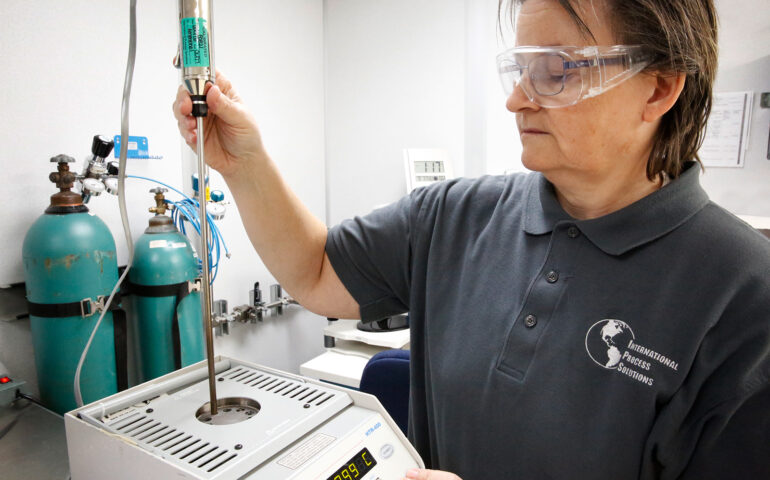
In highly regulated industries, calibration is more than a routine maintenance activity—it is a critical component of product quality, process consistency, regulatory compliance, and operational efficiency. For pharmaceutical manufacturers, biotechnology facilities, medical device companies, and GMP-regulated laboratories, maintaining accurate and traceable measurement systems is essential to meeting strict quality standards. One of the most common


Recent Comments