
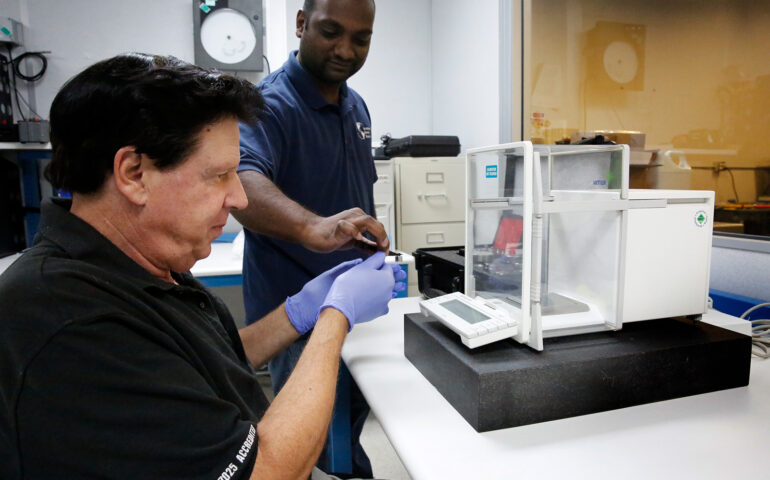
Modern manufacturing, pharmaceutical, biotechnology, laboratory, and industrial facilities often operate under demanding production schedules where extended equipment shutdowns are difficult or costly. As a result, one of the most important questions when planning instrument maintenance is whether calibration services can be performed during production hours. Featured Answer: Can Calibration Services Be Performed During Production Hours?

Featured Answer: How Often Should Scales and Balances Be Calibrated? Scales and balances are commonly calibrated every 6 to 12 months, but the correct calibration frequency depends on the instrument’s use, required accuracy, operating environment, measurement risk, manufacturer recommendations, historical performance, and applicable quality or regulatory requirements. High-use or critical balances used in pharmaceutical, biotechnology,
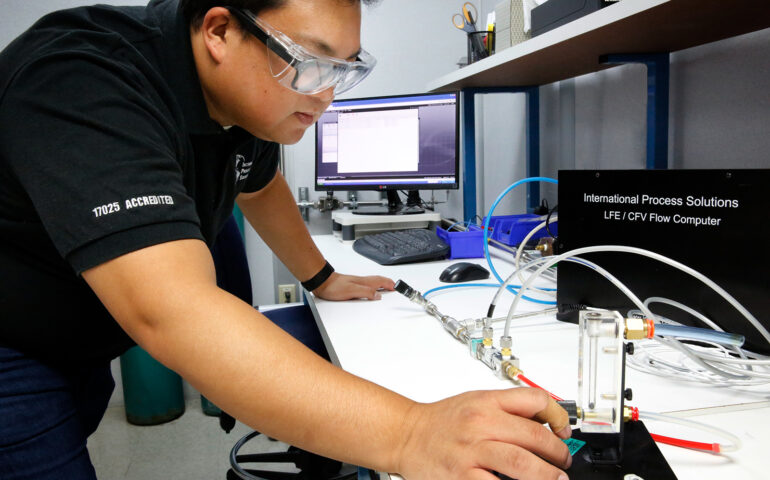
Featured Answer: Why Is Calibration Important for FDA Compliance? Calibration is important for FDA compliance because it helps ensure that instruments and equipment used to measure, monitor, test, manufacture, store, and control regulated products produce accurate and reliable results. In FDA-regulated environments, inaccurate measurements can affect product quality, process control, documentation, and ultimately patient or

In industries where accuracy, quality, safety, and regulatory compliance matter, the terms calibration and certification are often used together. However, they do not mean the same thing. Understanding the difference between calibration and certification is important for laboratories, pharmaceutical companies, biotechnology facilities, manufacturers, research organizations, and other businesses that rely on accurate measurement equipment. At
Laboratory equipment should be calibrated often enough to maintain measurement accuracy, reliability, traceability, and compliance throughout its use. While many laboratories establish calibration intervals of every six months or once per year, there is no single calibration frequency that is appropriate for every instrument. The correct calibration schedule depends on the type of equipment, frequency
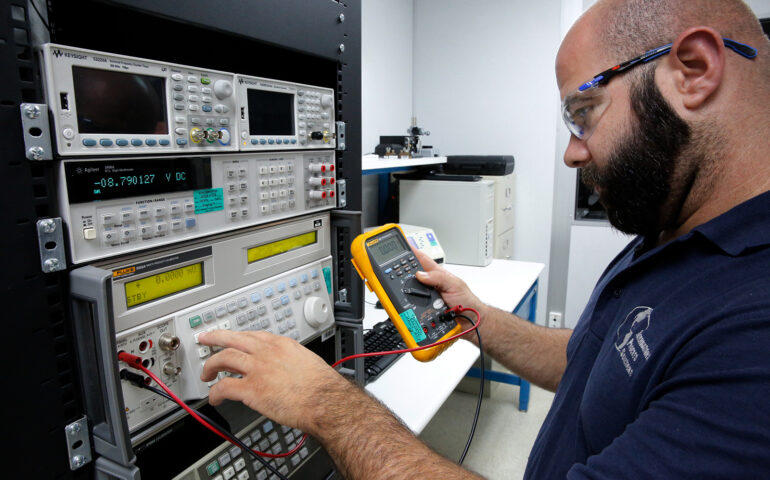
Calibration services are professional procedures used to compare the measurements produced by an instrument or piece of equipment against a known reference standard to determine its accuracy and reliability. When measurements fall outside acceptable tolerances, calibration helps identify the deviation so the equipment can be adjusted, repaired, documented, or removed from service as appropriate. At
In regulated laboratories, manufacturing facilities, pharmaceutical environments, biotechnology operations, research settings, and quality-controlled production facilities, accurate calibration is directly connected to product quality, process consistency, reliable measurements, and defensible documentation. Even a relatively small calibration error can influence measurements used to release products, verify environmental conditions, prepare formulations, conduct testing, or determine whether a process
Torque wrenches are relied upon across manufacturing, aerospace, automotive, pharmaceutical, laboratory, industrial maintenance, and other precision-driven environments where fastening accuracy matters. When a torque wrench falls outside its acceptable tolerance, the consequences can extend far beyond an inaccurate reading. Improper torque can contribute to loose fasteners, damaged components, equipment failures, inconsistent assemblies, rejected products, and
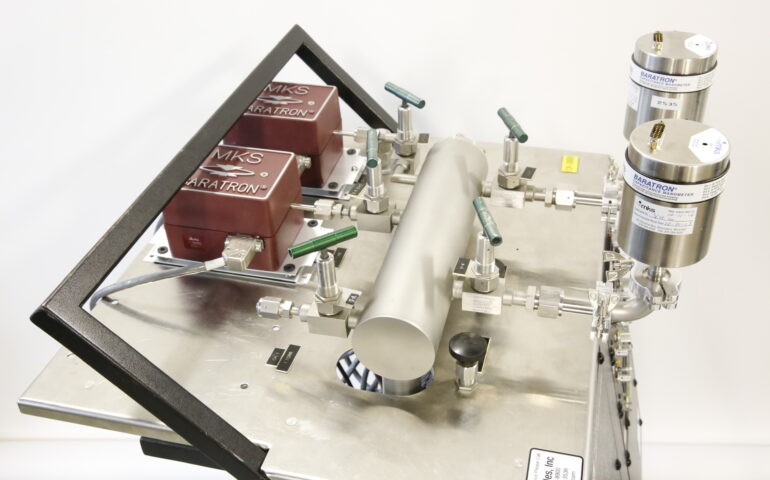
Featured Answer: What Qualifications Should You Look for in a Calibration Provider? No, not all calibration providers are the same. When selecting a calibration company, businesses should evaluate the provider’s ISO/IEC 17025 accreditation, measurement traceability, technical capabilities, calibration procedures, uncertainty reporting, documentation practices, equipment expertise, turnaround times, and ability to support regulatory requirements. A qualified

When accuracy matters, simply calibrating an instrument is not enough. Organizations need to know how the measurement was established, what standards were used, and how those standards relate to recognized national or international measurement references. This is where traceable calibration becomes essential. At International Process Solutions (IPS), we provide professional calibration services designed to help



Recent Comments