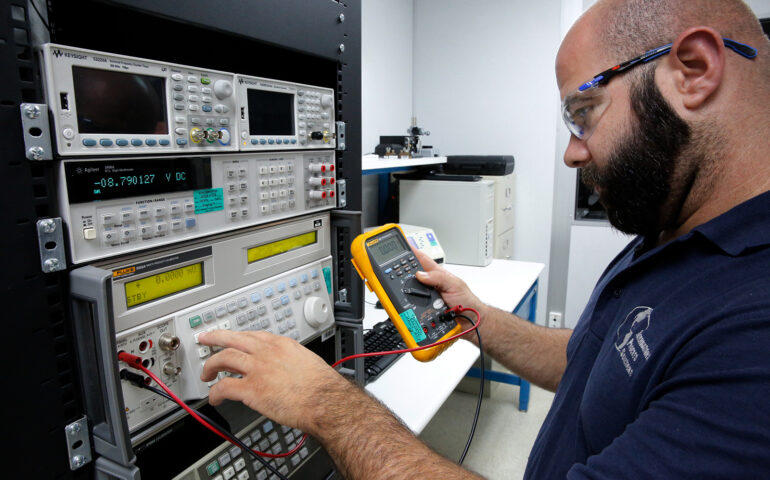
Featured Answer: How Does Proper Calibration Help With Audits and Inspections? Proper calibration helps keep an organization audit-ready by providing documented evidence that measurement and test equipment is accurate, traceable, controlled, and maintained according to established requirements. A strong calibration program includes current calibration records, equipment identification, traceability to recognized measurement standards, defined calibration intervals,
On-site calibration helps pharmaceutical and life sciences organizations maintain equipment accuracy, documentation, traceability, and operational continuity without unnecessary equipment transportation. [San Carlos, CA] — Pharmaceutical equipment companies and organizations operating in pharmaceutical manufacturing, laboratories, biotechnology, and life sciences can benefit from professional on-site calibration services provided by International Process Solutions (IPS). The company provides calibration

In pharmaceutical manufacturing, laboratory testing, research, and quality control, accurate measurement is essential to maintaining consistent processes and reliable results. Temperature, pressure, weight, volume, humidity, torque, flow, and other critical measurements can directly affect equipment performance, manufacturing processes, laboratory results, and product quality. At International Process Solutions (IPS), we provide pharmaceutical equipment calibration services designed

Calibration compliance depends on more than performing calibration on schedule. Organizations must maintain accurate, traceable records that demonstrate what was calibrated, when it was calibrated, how it was calibrated, what standards were used, and whether the equipment met its requirements. Well-maintained calibration records provide objective evidence that measuring equipment remains suitable for its intended use.
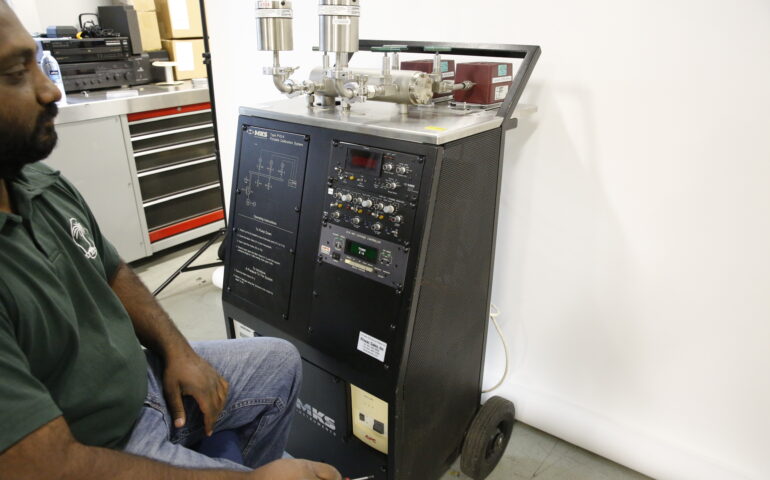
Consistent product quality depends on the ability to measure critical process variables accurately. Temperature, pressure, weight, flow, humidity, torque, dimensional measurements, electrical values, and laboratory volumes can all influence whether a product meets established specifications. When the instruments responsible for these measurements drift outside acceptable tolerances, the production process can also move outside its intended
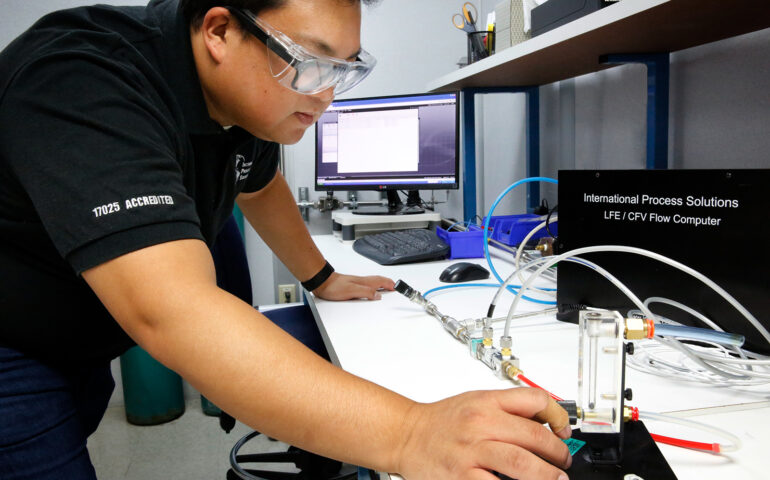
Featured Answer: Why Is Calibration Important for FDA Compliance? Calibration is important for FDA compliance because it helps ensure that instruments and equipment used to measure, monitor, test, manufacture, store, and control regulated products produce accurate and reliable results. In FDA-regulated environments, inaccurate measurements can affect product quality, process control, documentation, and ultimately patient or

When accuracy matters, simply calibrating an instrument is not enough. Organizations need to know how the measurement was established, what standards were used, and how those standards relate to recognized national or international measurement references. This is where traceable calibration becomes essential. At International Process Solutions (IPS), we provide professional calibration services designed to help
In regulated manufacturing environments, precision is not optional. Within pharmaceutical, biotechnology, medical device, and laboratory industries, equipment performance directly impacts product quality, patient safety, compliance, and operational efficiency. At International Process Solutions, we understand that calibration is a critical component of maintaining validated systems in Good Manufacturing Practice (GMP) facilities. Calibration establishes confidence in measurement


Recent Comments