
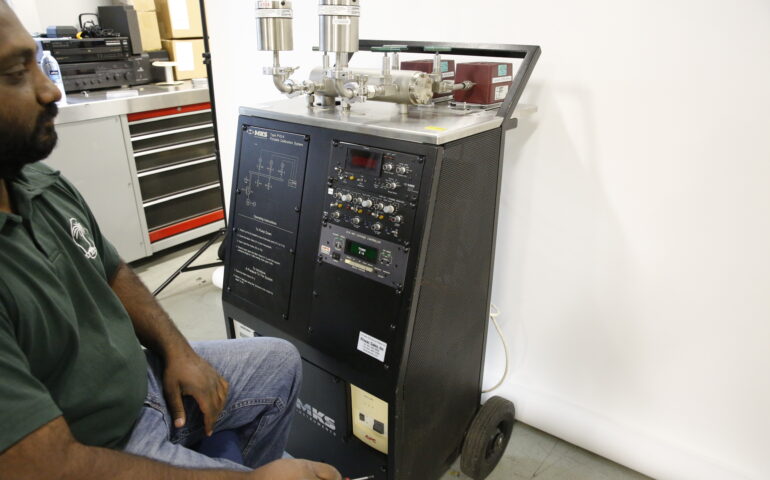
Featured Answer: How Do Calibration Services Help With GMP Compliance? Calibration services help support Good Manufacturing Practice (GMP) compliance by verifying that instruments used to measure, monitor, control, or document critical processes are performing within established tolerances. A structured calibration program provides documented evidence of instrument accuracy, measurement traceability, calibration status, acceptance criteria, and corrective
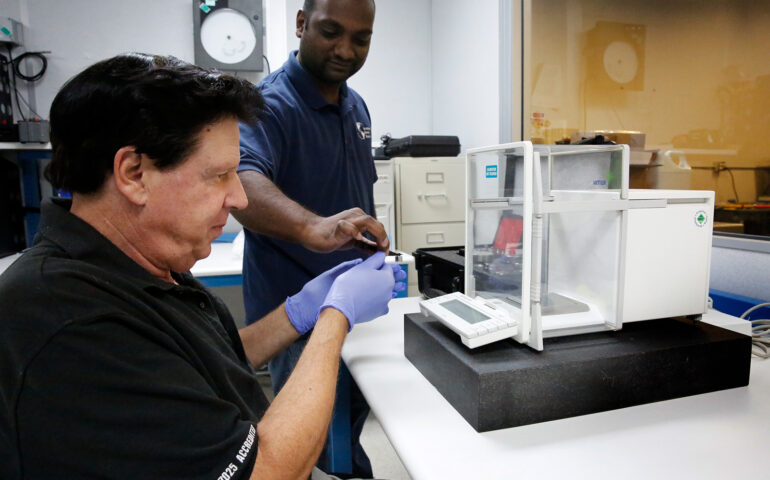
Humidity can quietly become one of the biggest threats to product quality, manufacturing consistency, laboratory accuracy, and regulatory compliance. Even small fluctuations in relative humidity can cause failed inspections, inaccurate test results, damaged products, equipment malfunction, and costly production delays. If your facility depends on environmental monitoring, precision instruments, or controlled conditions, humidity calibration isn’t
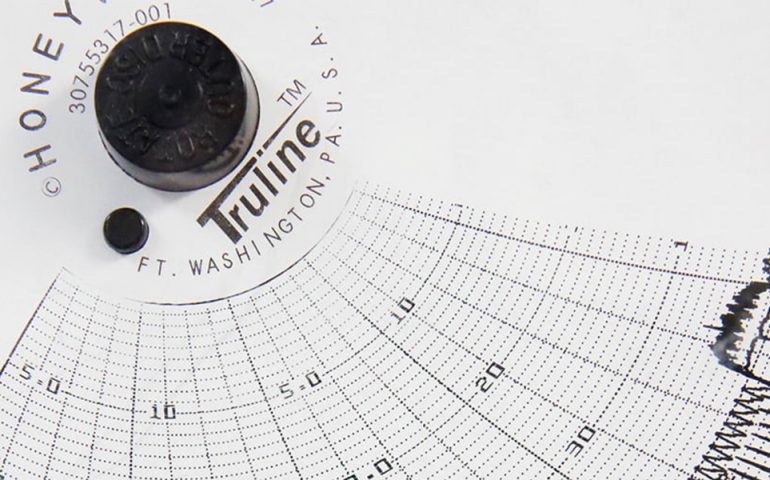
In regulated manufacturing environments, precision is not optional. Within pharmaceutical, biotechnology, medical device, and laboratory industries, equipment performance directly impacts product quality, patient safety, compliance, and operational efficiency. At International Process Solutions, we understand that calibration is a critical component of maintaining validated systems in Good Manufacturing Practice (GMP) facilities. Calibration establishes confidence in measurement

In the pharmaceutical industry, precision is not optional—it is foundational to safety, compliance, and product integrity. We understand that every measurement, every data point, and every controlled parameter directly impacts patient outcomes, regulatory standing, and operational excellence. At International Process Solutions (IPS), we deliver comprehensive pharmaceutical calibration services engineered to support regulated environments where accuracy,

Why Choosing the Right Calibration Provider Matters Whether you run a pharmaceutical lab, a biotech facility, a manufacturing plant, or a medical device operation, your equipment accuracy drives everything. When calibration is delayed, incomplete, or done incorrectly, the fallout can be brutal: Failed audits Production shutdowns Equipment drift and out-of-tolerance issues Regulatory violations (FDA, ISO,



Recent Comments