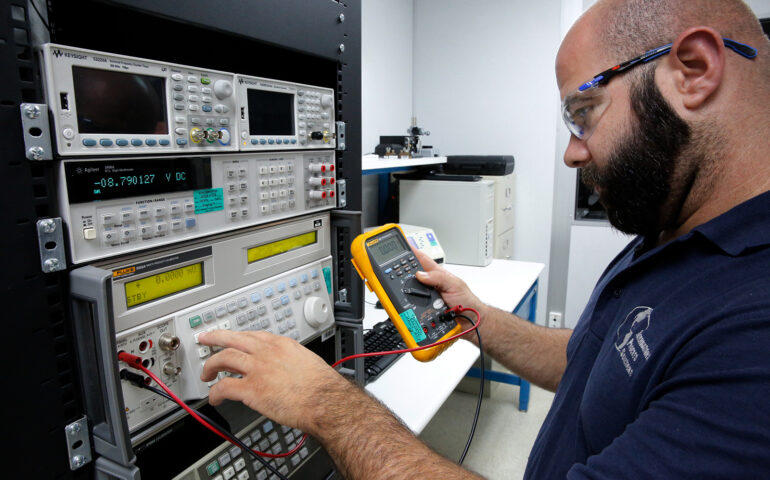
Featured Answer: How Does Proper Calibration Help With Audits and Inspections? Proper calibration helps keep an organization audit-ready by providing documented evidence that measurement and test equipment is accurate, traceable, controlled, and maintained according to established requirements. A strong calibration program includes current calibration records, equipment identification, traceability to recognized measurement standards, defined calibration intervals,
On-site calibration helps pharmaceutical and life sciences organizations maintain equipment accuracy, documentation, traceability, and operational continuity without unnecessary equipment transportation. [San Carlos, CA] — Pharmaceutical equipment companies and organizations operating in pharmaceutical manufacturing, laboratories, biotechnology, and life sciences can benefit from professional on-site calibration services provided by International Process Solutions (IPS). The company provides calibration

Calibration compliance depends on more than performing calibration on schedule. Organizations must maintain accurate, traceable records that demonstrate what was calibrated, when it was calibrated, how it was calibrated, what standards were used, and whether the equipment met its requirements. Well-maintained calibration records provide objective evidence that measuring equipment remains suitable for its intended use.
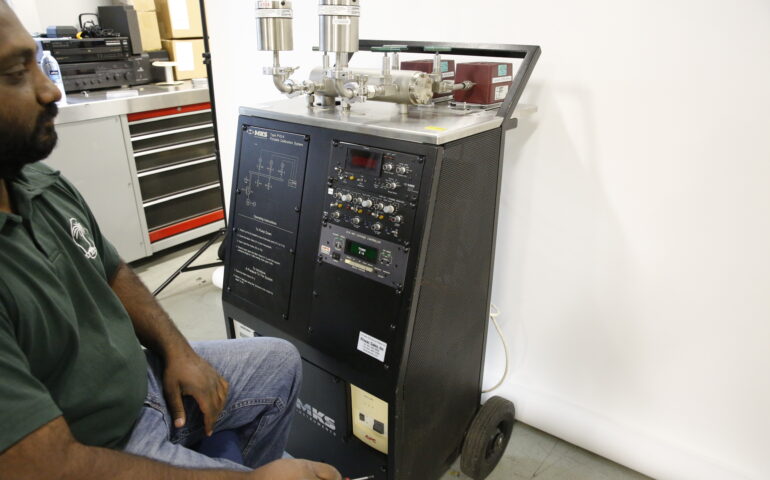
Featured Answer: How Do Calibration Services Help With GMP Compliance? Calibration services help support Good Manufacturing Practice (GMP) compliance by verifying that instruments used to measure, monitor, control, or document critical processes are performing within established tolerances. A structured calibration program provides documented evidence of instrument accuracy, measurement traceability, calibration status, acceptance criteria, and corrective
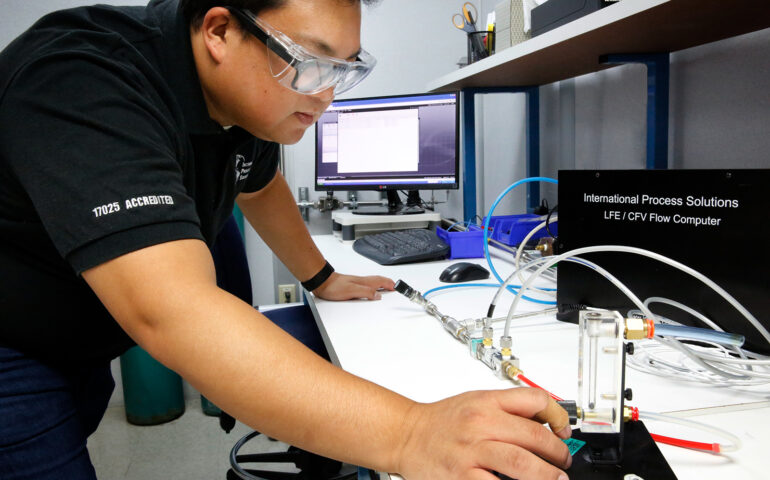
Featured Answer: Why Is Calibration Important for FDA Compliance? Calibration is important for FDA compliance because it helps ensure that instruments and equipment used to measure, monitor, test, manufacture, store, and control regulated products produce accurate and reliable results. In FDA-regulated environments, inaccurate measurements can affect product quality, process control, documentation, and ultimately patient or

In industries where accuracy, quality, safety, and regulatory compliance matter, the terms calibration and certification are often used together. However, they do not mean the same thing. Understanding the difference between calibration and certification is important for laboratories, pharmaceutical companies, biotechnology facilities, manufacturers, research organizations, and other businesses that rely on accurate measurement equipment. At
Calibration services are professional procedures used to compare the measurements produced by an instrument or piece of equipment against a known reference standard to determine its accuracy and reliability. When measurements fall outside acceptable tolerances, calibration helps identify the deviation so the equipment can be adjusted, repaired, documented, or removed from service as appropriate. At
In regulated laboratories, manufacturing facilities, pharmaceutical environments, biotechnology operations, research settings, and quality-controlled production facilities, accurate calibration is directly connected to product quality, process consistency, reliable measurements, and defensible documentation. Even a relatively small calibration error can influence measurements used to release products, verify environmental conditions, prepare formulations, conduct testing, or determine whether a process
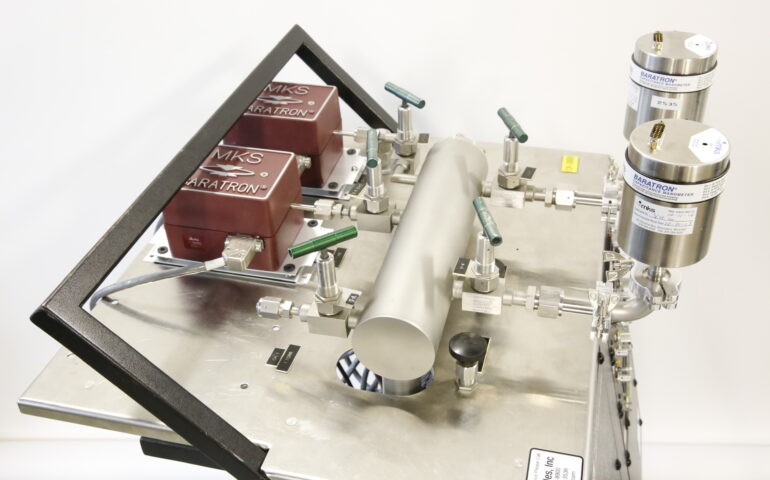
Featured Answer: What Qualifications Should You Look for in a Calibration Provider? No, not all calibration providers are the same. When selecting a calibration company, businesses should evaluate the provider’s ISO/IEC 17025 accreditation, measurement traceability, technical capabilities, calibration procedures, uncertainty reporting, documentation practices, equipment expertise, turnaround times, and ability to support regulatory requirements. A qualified

Featured Answer Choosing the right calibration service provider means selecting a company that offers ISO/IEC 17025 accredited calibration, traceable standards, experienced technicians, fast turnaround times, comprehensive documentation, on-site and laboratory services, regulatory compliance expertise, and the ability to calibrate all of your critical equipment. At International Process Solutions (IPS), we help businesses maintain accuracy, compliance,


Recent Comments