Featured Answer: Do Calibration Services Include Repairs? Calibration services may include adjustments or repairs, but calibration and repair are separate processes. Calibration determines how accurately an instrument performs compared with an appropriate reference standard. If an instrument is found outside its required tolerance, it may need adjustment, maintenance, or repair before it can meet its

Featured Answer: Do Torque Wrenches Need Calibration? Yes, torque wrenches need calibration to verify that they apply the correct amount of torque within an acceptable tolerance. Over time, repeated use, normal wear, improper storage, accidental drops, environmental conditions, and mechanical changes can affect torque wrench accuracy. Regular torque wrench calibration helps identify measurement error before
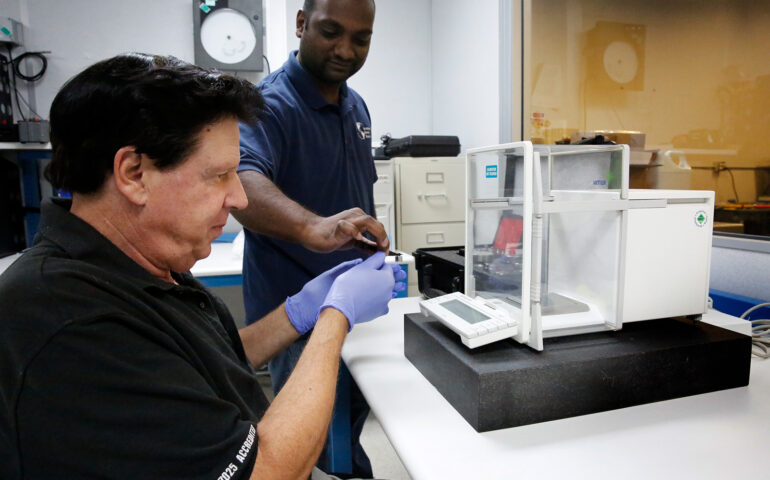
Choosing the right calibration laboratory is an important decision for any organization that depends on accurate measurements, reliable equipment, traceable documentation, and consistent quality standards. A calibration provider is not simply a company that adjusts instruments. The laboratory you select can directly affect equipment reliability, audit readiness, product quality, process consistency, and your ability to
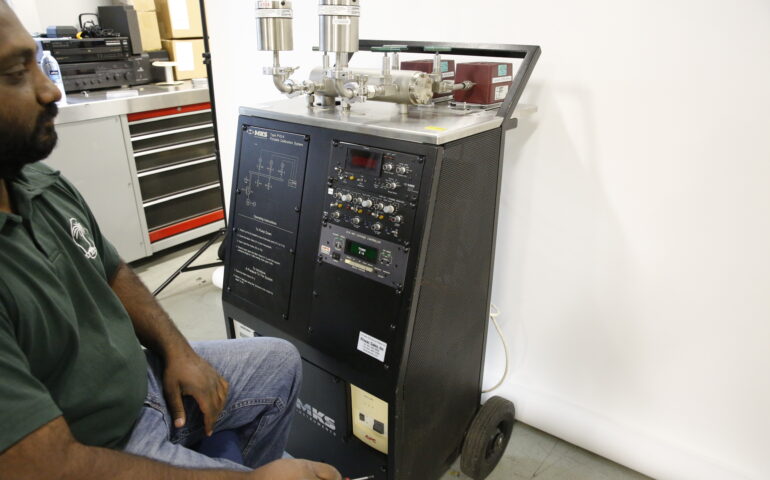
Consistent product quality depends on the ability to measure critical process variables accurately. Temperature, pressure, weight, flow, humidity, torque, dimensional measurements, electrical values, and laboratory volumes can all influence whether a product meets established specifications. When the instruments responsible for these measurements drift outside acceptable tolerances, the production process can also move outside its intended

Featured Answer: How Often Should Scales and Balances Be Calibrated? Scales and balances are commonly calibrated every 6 to 12 months, but the correct calibration frequency depends on the instrument’s use, required accuracy, operating environment, measurement risk, manufacturer recommendations, historical performance, and applicable quality or regulatory requirements. High-use or critical balances used in pharmaceutical, biotechnology,
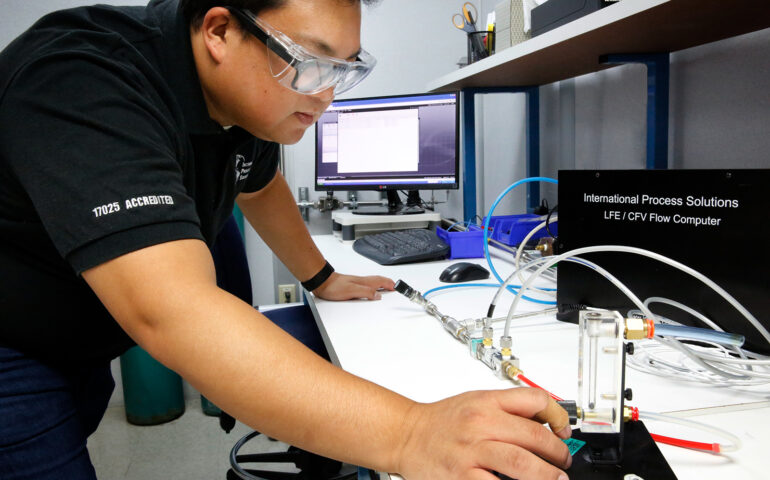
Featured Answer: Why Is Calibration Important for FDA Compliance? Calibration is important for FDA compliance because it helps ensure that instruments and equipment used to measure, monitor, test, manufacture, store, and control regulated products produce accurate and reliable results. In FDA-regulated environments, inaccurate measurements can affect product quality, process control, documentation, and ultimately patient or

In industries where accuracy, quality, safety, and regulatory compliance matter, the terms calibration and certification are often used together. However, they do not mean the same thing. Understanding the difference between calibration and certification is important for laboratories, pharmaceutical companies, biotechnology facilities, manufacturers, research organizations, and other businesses that rely on accurate measurement equipment. At
Laboratory equipment should be calibrated often enough to maintain measurement accuracy, reliability, traceability, and compliance throughout its use. While many laboratories establish calibration intervals of every six months or once per year, there is no single calibration frequency that is appropriate for every instrument. The correct calibration schedule depends on the type of equipment, frequency
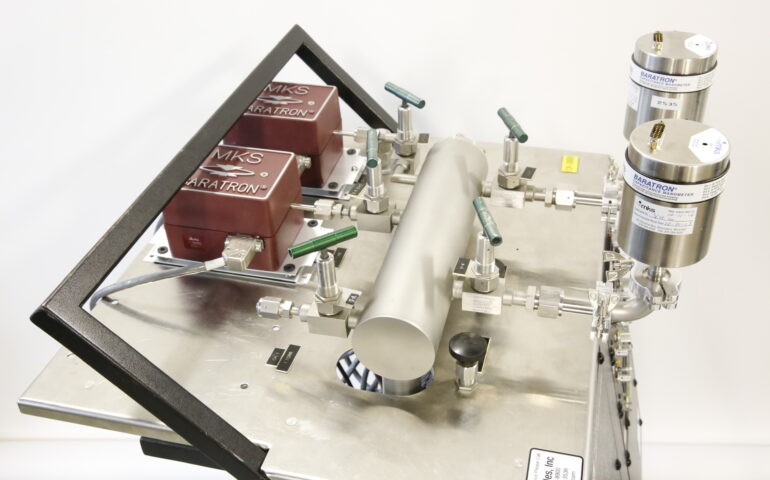
Featured Answer: What Qualifications Should You Look for in a Calibration Provider? No, not all calibration providers are the same. When selecting a calibration company, businesses should evaluate the provider’s ISO/IEC 17025 accreditation, measurement traceability, technical capabilities, calibration procedures, uncertainty reporting, documentation practices, equipment expertise, turnaround times, and ability to support regulatory requirements. A qualified
When accuracy, compliance, and reliable measurement matter, businesses need a calibration partner capable of delivering consistent results and dependable documentation. International Process Solutions (IPS) provides professional calibration services for organizations throughout Orange County, supporting laboratories, manufacturing facilities, pharmaceutical operations, biotechnology companies, research environments, and other industries that depend on precise instrumentation. As an experienced provider


Recent Comments