
Calibration audits can place significant scrutiny on an organization’s measurement systems, calibration records, equipment status, traceability, procedures, and quality controls. Whether an audit is conducted by a customer, regulatory authority, accreditation body, or internal quality team, preparation should begin well before the auditor arrives. At International Process Solutions (IPS), we work with organizations throughout Southern
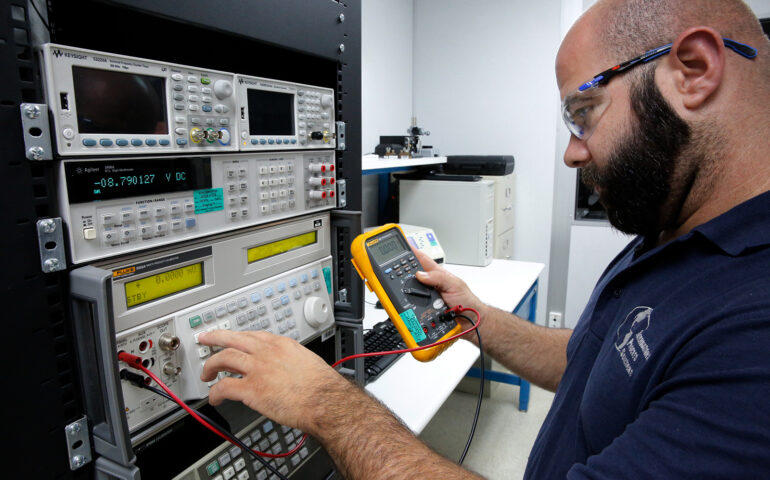
Featured Answer: How Does Proper Calibration Help With Audits and Inspections? Proper calibration helps keep an organization audit-ready by providing documented evidence that measurement and test equipment is accurate, traceable, controlled, and maintained according to established requirements. A strong calibration program includes current calibration records, equipment identification, traceability to recognized measurement standards, defined calibration intervals,

Calibration compliance depends on more than performing calibration on schedule. Organizations must maintain accurate, traceable records that demonstrate what was calibrated, when it was calibrated, how it was calibrated, what standards were used, and whether the equipment met its requirements. Well-maintained calibration records provide objective evidence that measuring equipment remains suitable for its intended use.

Organizations operating in regulated industries understand that audits are an essential part of maintaining compliance, product quality, operational efficiency, and customer confidence. Whether preparing for an ISO audit, FDA inspection, GMP review, internal quality assessment, or customer audit, equipment accuracy plays a critical role in demonstrating compliance. At International Process Solutions (IPS), we help organizations

In highly regulated industries, accuracy alone is not enough. Organizations depend on detailed, organized, and compliant documentation to maintain operational consistency, support audits, ensure traceability, and protect product integrity. At International Process Solutions, we understand that documentation quality is just as critical as the calibration, validation, and measurement processes themselves. Clear documentation transforms technical work
Properly maintaining calibration records is essential for ensuring the accuracy and reliability of measuring instruments in any industry. In this article, we outline the best practices for keeping thorough, organized, and compliant calibration records. This guide will help you optimize your calibration processes, enhance quality control, and meet regulatory requirements. Importance of Accurate Calibration Records


Recent Comments