
Featured Answer: Yes, calibration can be scheduled annually or quarterly depending on the equipment type, frequency of use, manufacturer recommendations, operating conditions, and industry compliance requirements. Annual calibration is commonly appropriate for stable instruments operating under controlled conditions, while quarterly calibration may be necessary for frequently used, high-precision, or critical measuring equipment. At International Process
In modern manufacturing, precision is essential for maintaining product quality, operational efficiency, equipment reliability, and workplace safety. From automotive assembly lines to aerospace manufacturing and pharmaceutical production facilities, properly tightened fasteners play a critical role in ensuring that equipment and finished products perform as intended. One of the most important tools used to achieve consistent
Featured Answer: What Are the Risks of Using Uncalibrated Equipment? Using uncalibrated equipment can lead to inaccurate measurements, inconsistent product quality, failed inspections, unreliable test results, increased waste, production delays, safety concerns, and regulatory compliance problems. When measuring instruments drift outside acceptable tolerances, organizations may unknowingly make critical decisions based on incorrect data. At International

In pharmaceutical manufacturing, laboratory testing, research, and quality control, accurate measurement is essential to maintaining consistent processes and reliable results. Temperature, pressure, weight, volume, humidity, torque, flow, and other critical measurements can directly affect equipment performance, manufacturing processes, laboratory results, and product quality. At International Process Solutions (IPS), we provide pharmaceutical equipment calibration services designed

Featured Answer: Do Torque Wrenches Need Calibration? Yes, torque wrenches need calibration to verify that they apply the correct amount of torque within an acceptable tolerance. Over time, repeated use, normal wear, improper storage, accidental drops, environmental conditions, and mechanical changes can affect torque wrench accuracy. Regular torque wrench calibration helps identify measurement error before
Torque wrenches are relied upon across manufacturing, aerospace, automotive, pharmaceutical, laboratory, industrial maintenance, and other precision-driven environments where fastening accuracy matters. When a torque wrench falls outside its acceptable tolerance, the consequences can extend far beyond an inaccurate reading. Improper torque can contribute to loose fasteners, damaged components, equipment failures, inconsistent assemblies, rejected products, and
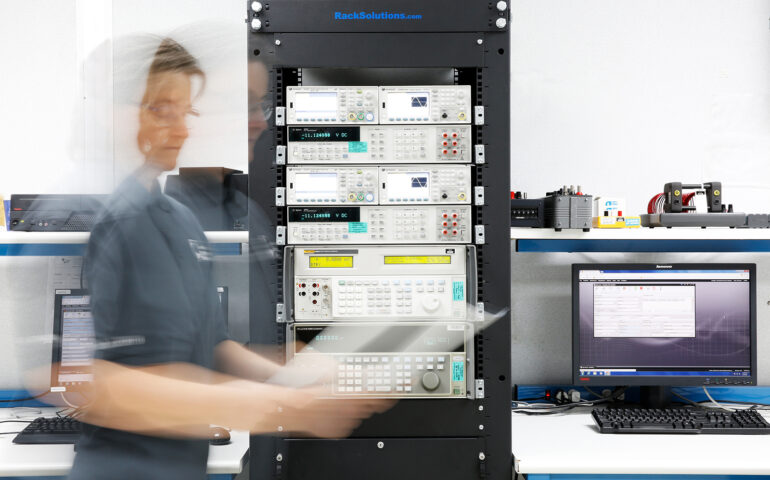
Featured Answer Choosing the right calibration service provider means selecting a company that offers ISO/IEC 17025 accredited calibration, traceable standards, experienced technicians, fast turnaround times, comprehensive documentation, on-site and laboratory services, regulatory compliance expertise, and the ability to calibrate all of your critical equipment. At International Process Solutions (IPS), we help businesses maintain accuracy, compliance,
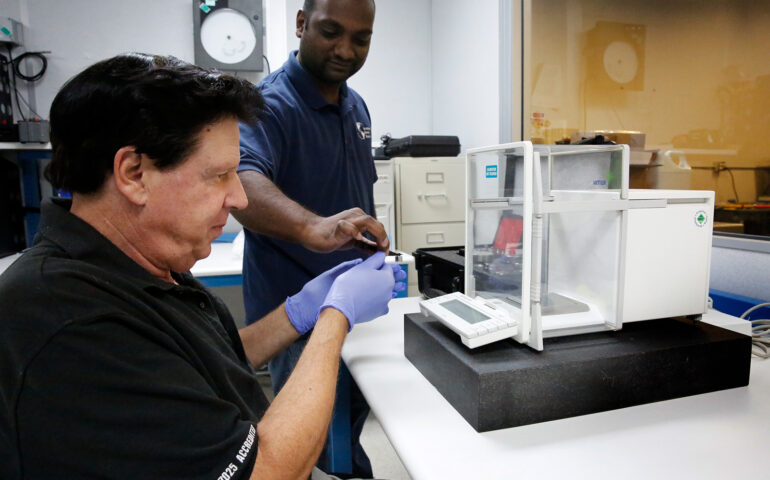
In regulated industries, calibration and verification are often used interchangeably, but they serve two very different purposes. Choosing the wrong process can impact product quality, regulatory compliance, equipment performance, and audit readiness. At International Process Solutions (IPS), we help organizations throughout California maintain the highest standards by providing professional calibration, verification, validation, and documentation services
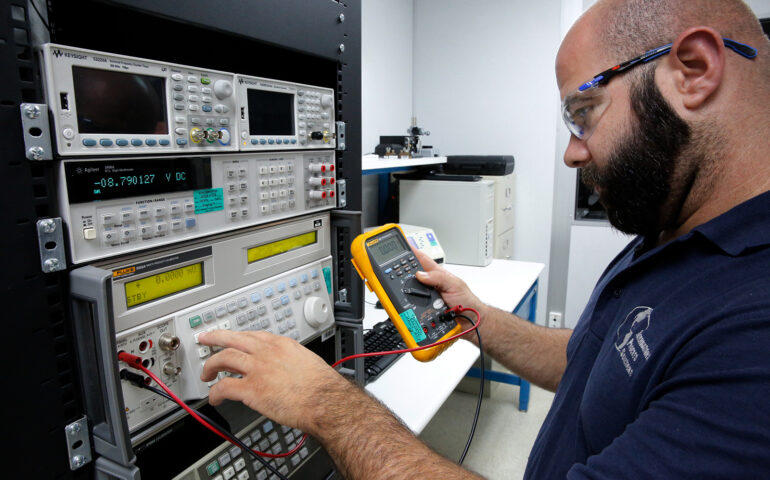
Accurate measurements are the foundation of quality manufacturing, pharmaceutical production, laboratory testing, medical device manufacturing, aerospace, biotechnology, and research. Even the highest-quality instrument will gradually drift over time due to normal wear, environmental conditions, transportation, and repeated use. When equipment falls outside acceptable tolerances, the consequences can include failed inspections, rejected products, inaccurate data, production
Is Equipment Downtime Slowing Your Operations and Costing Your Business Money? Every minute your critical equipment is out of service can impact production schedules, delay product releases, increase labor costs, and put regulatory compliance at risk. For manufacturers, laboratories, pharmaceutical companies, and other highly regulated industries, sending instruments off-site for calibration often means days—or even


Recent Comments