Calibration is a critical process for ensuring the accuracy, reliability, and compliance of measurement instruments used in laboratories, manufacturing facilities, healthcare environments, engineering operations, and industrial production lines. Businesses depend on properly calibrated equipment to maintain quality control, regulatory compliance, and operational precision.
One of the most common questions organizations ask before scheduling calibration services is: How long does calibration typically take? The answer depends on several factors including instrument type, calibration method, environmental conditions, adjustment requirements, and documentation procedures.
In this comprehensive guide, we explain the typical calibration timeframes for different instruments, what happens during the calibration process, and how professional providers like International Process Solutions can support your organization with reliable, efficient calibration services.
Understanding the Calibration Process
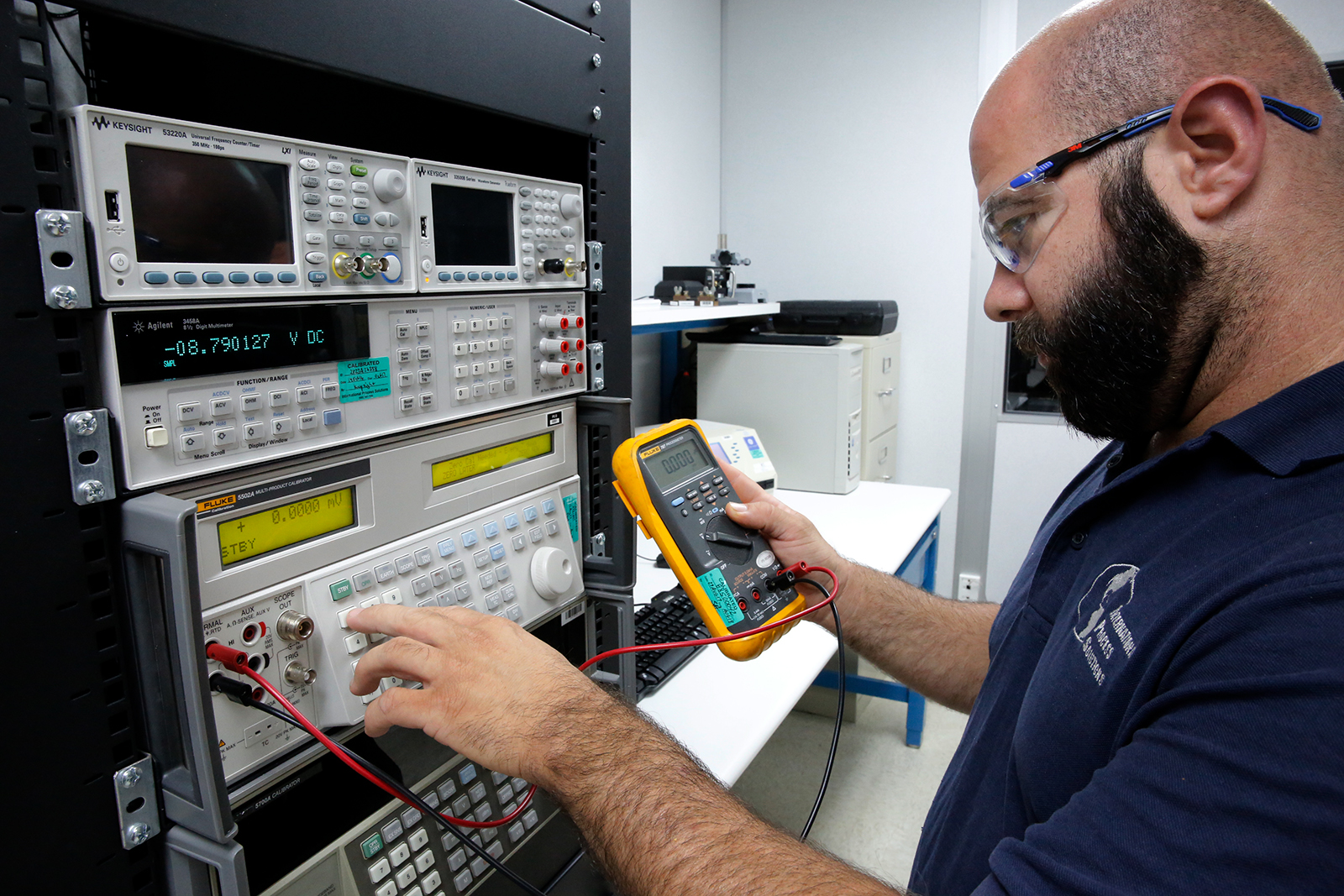
Before discussing timing, it is essential to understand what calibration actually involves. Calibration is the comparison of a measurement device against a known reference standard to verify its accuracy.
The calibration process generally includes:
- Inspection of the instrument
- Testing against certified reference standards
- Measurement error analysis
- Adjustment or correction if required
- Verification testing
- Calibration documentation and certification
Each of these steps contributes to the overall duration of the calibration service.
When handled by professional technicians using traceable standards and precision procedures, calibration ensures that instruments remain within acceptable tolerance limits.
Typical Calibration Timeframes for Common Instruments
Calibration duration varies depending on the complexity and sensitivity of the equipment being tested. Below are the most common calibration categories and their average timeframes.
Simple Measurement Tools
Examples include:
- Digital thermometers
- Pressure gauges
- Basic multimeters
- Mechanical calipers
Typical calibration time:
15 minutes to 45 minutes per instrument
These devices have straightforward measurement points and limited adjustment requirements, allowing technicians to complete calibration quickly.
In many service environments, these tools can be calibrated during same-day service appointments or as part of routine preventive maintenance schedules.
Electronic Test Equipment
Examples include:
- Oscilloscopes
- Advanced digital multimeters
- Signal generators
- Frequency counters
Typical calibration time:
1 to 3 hours per instrument
Electronic testing devices require multiple test points across different ranges, often including voltage, resistance, current, and frequency verification.
Technicians must run several diagnostic procedures to confirm performance accuracy, increasing the calibration time.
Industrial Sensors and Process Instruments
Examples include:
- Temperature transmitters
- Flow meters
- Pressure transmitters
- Process controllers
Typical calibration time:
1 to 4 hours
Industrial process instruments often require multi-point calibration checks, environmental stabilization, and sometimes on-site system integration testing.
In process industries such as pharmaceutical manufacturing, energy production, aerospace engineering, and food processing, technicians may calibrate equipment directly within the operating environment, which can extend the service timeframe.
Laboratory Equipment Calibration
Examples include:
- Analytical balances
- Pipettes
- Spectrophotometers
- Environmental chambers
Typical calibration time:
2 to 6 hours
Laboratory instruments require extremely precise measurements and strict traceability documentation. Calibration technicians perform multiple validation cycles to confirm repeatability and measurement stability.
Environmental controls, such as temperature stabilization and humidity conditions, may also add time to the calibration process.
Complex Industrial Systems
Examples include:
- Coordinate measuring machines (CMMs)
- Automated production sensors
- CNC machine measurement systems
- High-precision manufacturing instruments
Typical calibration time:
Several hours to multiple days
Highly complex industrial equipment may require:
- System shutdown procedures
- Multi-axis calibration verification
- Software validation
- Extended measurement cycles
For manufacturing operations, calibration is often scheduled during planned maintenance shutdowns to minimize production interruptions.
Factors That Influence Calibration Duration
While typical calibration times offer a general guideline, several factors directly affect how long calibration will actually take.
1. Instrument Complexity
The more measurement ranges and functions an instrument has, the longer calibration will take.
For example:
- A basic pressure gauge may require only a few comparison points.
- A multi-function electronic analyzer may require dozens of verification steps.
2. Number of Calibration Points
Calibration procedures often involve testing instruments at multiple measurement levels across their operating range.
For instance, a temperature probe may require verification at:
- Low temperature range
- Mid-range temperature
- High temperature limit
Each additional test point adds time to the calibration process.
3. Adjustment Requirements
If an instrument is found outside acceptable tolerance limits, technicians must perform adjustments.
Adjustment procedures may include:
- Mechanical tuning
- Software corrections
- Sensor realignment
- Component recalibration
After adjustments, technicians must repeat testing procedures to verify the correction, increasing overall service time.
4. Environmental Stabilization
Some instruments require stable environmental conditions before calibration can begin.
For example:
- Precision balances require temperature stabilization.
- Humidity-sensitive sensors require controlled environments.
This stabilization period can take 30 minutes to several hours depending on the equipment.
5. Documentation and Certification
Professional calibration services provide calibration certificates, traceability records, and compliance documentation.
Documentation may include:
- Measurement results
- Reference standards used
- Calibration uncertainty data
- Technician verification signatures
Preparing these records ensures compliance with quality systems and regulatory standards, adding to the overall service timeframe.
On-Site vs. Laboratory Calibration Time
Calibration can take place either at a professional calibration laboratory or directly at a customer’s facility.
On-Site Calibration
On-site calibration is often used for:
- Large industrial equipment
- Process control instruments
- Production line sensors
Advantages include:
- No equipment transport required
- Reduced operational downtime
- Immediate verification
Typical time:
Several hours depending on equipment type.
Laboratory Calibration
Laboratory calibration provides controlled conditions and highly precise reference standards.
Equipment is shipped to a calibration lab where technicians perform full testing procedures.
Typical turnaround time:
- Standard service: 3 to 7 business days
- Expedited service: 24 to 48 hours
Laboratory calibration is commonly used for precision instruments and laboratory equipment.
How International Process Solutions Supports Your Calibration Needs
Organizations looking for reliable, efficient, and fully compliant calibration services can rely on International Process Solutions (IPS) to manage every aspect of their calibration requirements.
International Process Solutions provides comprehensive calibration services designed to maintain measurement accuracy, regulatory compliance, and operational efficiency across multiple industries. Their experienced technicians work with a wide range of instruments including electrical equipment, dimensional tools, temperature sensors, pressure devices, laboratory instruments, and industrial process controls.
Businesses benefit from flexible calibration options that allow them to maintain productivity while ensuring precise measurement performance.
On-Site Calibration Services from International Process Solutions
International Process Solutions offers professional on-site calibration services, allowing organizations to keep critical equipment in place while calibration is performed directly at their facility.
On-site calibration is ideal for:
- Manufacturing facilities
- Medical and pharmaceutical environments
- Industrial production plants
- Research laboratories
- Aerospace and defense operations
IPS technicians arrive equipped with certified reference standards and advanced testing equipment, enabling them to perform fast, accurate calibration without disrupting essential operations.
This service helps reduce downtime and ensures that equipment remains fully operational and compliant with industry requirements.
Laboratory Calibration with Advanced Precision
For equipment requiring highly controlled testing environments, International Process Solutions also provides laboratory calibration services. Their laboratory facilities support high-precision measurement verification for sensitive instruments that demand stable environmental conditions.
Laboratory calibration through IPS ensures:
- Highly accurate measurement verification
- Traceable reference standards
- Comprehensive documentation
- Reliable turnaround times
Organizations receive detailed calibration certificates that support quality assurance programs, audits, and regulatory compliance.
Calibration Management Programs
International Process Solutions also helps organizations simplify equipment maintenance through structured calibration management programs.
These programs help businesses:
- Track calibration schedules
- Prevent overdue instrument calibrations
- Maintain documentation for compliance
- Reduce equipment downtime
By managing calibration cycles and providing reliable service reminders, IPS allows organizations to focus on productivity while ensuring measurement accuracy remains consistent across all equipment.
Expert Technicians and Reliable Service
International Process Solutions employs highly trained calibration specialists with extensive industry experience. Their team follows strict calibration procedures and advanced testing protocols to ensure every instrument meets precise measurement standards.
Businesses working with IPS benefit from:
- Fast turnaround times
- Reliable service scheduling
- Accurate measurement verification
- Comprehensive calibration reporting
These services help companies maintain consistent product quality, reliable data collection, and operational precision.
Plan Your Calibration Schedule with Confidence
Understanding how long calibration takes allows organizations to schedule maintenance efficiently and avoid unexpected disruptions. With the support of International Process Solutions, businesses gain access to dependable calibration expertise, flexible service options, and professional technicians dedicated to maintaining measurement accuracy.
Whether your equipment requires on-site calibration, laboratory verification, or ongoing calibration management, International Process Solutions delivers the expertise and service reliability necessary to keep your instruments operating at peak performance.
Maintaining properly calibrated equipment ensures accurate measurements, dependable processes, and smooth operational workflows, allowing organizations to operate with confidence and precision.