
At International Process Solutions, we understand that precision, reliability, and compliance are the backbone of any operation that relies on accurate measurements. A calibration maintenance program is not merely a technical procedure—it is a strategic framework designed to ensure that all instruments and devices consistently deliver accurate, traceable, and compliant measurements. Proper implementation of such a program safeguards product quality, enhances operational efficiency, and minimizes costly downtime due to equipment errors.
The Core Purpose of a Calibration Maintenance Program
A calibration maintenance program is a systematic approach to managing, scheduling, and executing calibration activities for measuring instruments. The primary goal is to maintain accuracy and traceability throughout the lifecycle of each device. Instruments, whether digital or analog, are subject to drift over time due to environmental factors, wear, and regular use. Without a structured program, even minor deviations can escalate into significant quality issues, production errors, and compliance violations.
At International Process Solutions, we design calibration maintenance programs tailored to the exact specifications of your industry, whether that involves medical equipment, industrial machinery, laboratory instrumentation, or production line sensors. Our programs guarantee that each instrument meets national and international calibration standards, such as ISO/IEC 17025, ISO 9001, and industry-specific regulatory requirements.
Key Components of an Effective Calibration Program
An effective calibration maintenance program encompasses multiple layers of strategy, documentation, and execution. The following components are essential for achieving optimal precision and reliability:
1. Comprehensive Inventory of Instruments
The first step is to create a detailed inventory of all instruments, gauges, and measuring devices. This inventory includes:
- Instrument type, model, and serial number
- Manufacturer specifications
- Current calibration status and history
- Recommended calibration intervals
- Usage environment conditions
Maintaining a thorough inventory allows for proper scheduling and ensures no instrument is overlooked. At International Process Solutions, we employ digital tracking systems to manage your instruments efficiently, providing real-time alerts for upcoming calibration deadlines.
2. Establishing Calibration Intervals
Each instrument has a unique rate of drift depending on its design, usage, and environmental exposure. A calibration maintenance program must define precise intervals for recalibration based on:
- Manufacturer guidelines
- Historical performance data
- Criticality of the measurement in operational processes
- Regulatory and compliance requirements
By adhering to these intervals, organizations prevent measurement inaccuracies from affecting product quality, safety, and compliance audits.
3. Traceable Standards and Reference Equipment
Calibration is only as reliable as the standards used. A robust program requires that all reference instruments are traceable to national or international standards. International Process Solutions ensures that every calibration activity is conducted using high-precision reference devices, eliminating inconsistencies and guaranteeing repeatable, accurate results.
4. Documentation and Record-Keeping
Accurate record-keeping is a cornerstone of any calibration maintenance program. Proper documentation provides:
- Proof of compliance during audits
- Insight into instrument performance trends
- Data to adjust calibration intervals proactively
- Historical traceability in case of product or process issues
We maintain comprehensive, secure digital records that can be accessed quickly, simplifying compliance reporting and supporting continuous improvement initiatives.
5. On-Site vs. Off-Site Calibration Services
Depending on operational needs, calibration can be conducted on-site or in specialized calibration laboratories. On-site calibration reduces downtime for critical production instruments, while off-site calibration ensures instruments are measured in controlled environments for the highest accuracy. International Process Solutions offers flexible solutions for both approaches, adapting to your operational requirements without compromising precision.
How a Calibration Maintenance Program Works
A calibration maintenance program follows a structured workflow that guarantees consistent and reliable results:
- Assessment and Planning – We evaluate your current instrument base, operational needs, and regulatory obligations to create a detailed calibration plan.
- Scheduling and Notification – Instruments are scheduled for calibration based on predefined intervals. Automated reminders ensure no device is missed.
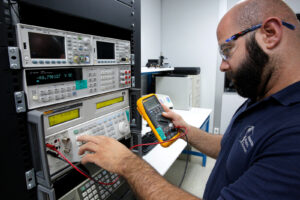
- Calibration Execution – Skilled technicians perform calibrations using traceable reference standards, recording all adjustments, measurements, and uncertainties.
- Verification and Certification – Post-calibration, each instrument is verified against performance criteria and issued a calibration certificate documenting compliance with relevant standards.
- Review and Continuous Improvement – Performance data is reviewed to refine calibration intervals, identify recurring deviations, and enhance overall program efficiency.
Benefits of Implementing a Professional Calibration Maintenance Program
Investing in a structured calibration maintenance program delivers measurable benefits:
- Enhanced Accuracy and Reliability: Minimized measurement errors lead to superior product quality and operational efficiency.
- Regulatory Compliance: Maintain alignment with ISO, FDA, and industry-specific regulatory standards, avoiding penalties and audit failures.
- Reduced Downtime: Proactive calibration scheduling prevents unexpected instrument failures that can disrupt production.
- Cost Savings: Early detection of instrument drift prevents defective products and reduces scrap or rework costs.
- Data-Driven Decision Making: Consistent and reliable measurements support informed operational and strategic decisions.
Industries That Benefit from Calibration Maintenance Programs
Calibration is critical across industries where precision and accuracy are non-negotiable. Some examples include:
- Manufacturing and Industrial Production: Ensures machinery and sensors perform consistently, preventing defective outputs.
- Laboratories and Research Facilities: Guarantees repeatable and reliable experimental results.
- Medical and Healthcare: Maintains the accuracy of diagnostic and monitoring devices, ensuring patient safety.
- Pharmaceutical and Biotechnology: Supports regulatory compliance and product integrity in highly controlled environments.
- Energy and Utilities: Keeps monitoring equipment accurate for safe and efficient operations.
Why Choose International Process Solutions for Your Calibration Needs
At International Process Solutions, we are committed to delivering comprehensive, reliable, and fully customizable calibration solutions. Our team of certified technicians, state-of-the-art equipment, and meticulous approach ensure that your calibration maintenance program operates seamlessly, protecting both your assets and your reputation.
We go beyond basic calibration services, offering:
- Preventive Maintenance Integration: Combining calibration with routine maintenance to maximize uptime and minimize risk.
- Customized Scheduling: Adapting to the operational tempo of your business, including after-hours and weekend calibration options.
- Rapid Reporting: Immediate access to calibration results and certificates through secure digital platforms.
- Expert Consultation: Guidance on best practices, compliance strategies, and efficiency optimization.
Conclusion
A calibration maintenance program is an indispensable part of any operation that values precision, compliance, and reliability. By implementing a structured program with International Process Solutions, organizations ensure their instruments consistently deliver accurate measurements, support regulatory adherence, and enhance operational performance. Precision is not optional; it is the foundation of trust, quality, and efficiency in every industry we serve.
With our expertise, your calibration needs are fully managed, providing confidence that every measurement is accurate, traceable, and compliant.