Pipettes should typically be calibrated every 3 to 6 months, depending on usage frequency, the precision required, and environmental factors. High-usage or critical-quality labs may require monthly or quarterly calibration, while low-use or teaching environments can often extend to every 6–12 months. Always follow your internal quality control procedures and manufacturer recommendations.
Ever wondered how often your pipettes really need calibration?
If your lab’s results seem inconsistent, or if you’ve noticed variations in measurements—even slight ones—it could be due to pipettes drifting out of calibration. Whether you’re in pharmaceuticals, biotechnology, or academia, calibration frequency is not just about compliance—it’s about data integrity, safety, and efficiency.
Why Pipette Calibration Frequency Matters
Pipettes are precision instruments designed to deliver exact volumes of liquid—but over time, mechanical wear, temperature fluctuations, or user handling can cause even the most advanced pipettes to lose accuracy.
A pipette that’s even slightly off can result in failed experiments, wasted reagents, and inaccurate data, ultimately costing both time and money.
At International Process Solutions (IPS), we’ve seen countless cases where calibration neglect led to failed audits, invalid test results, or even regulatory penalties. The takeaway? Regular calibration isn’t optional—it’s essential.
While the general rule of thumb is 3–6 months, there’s no one-size-fits-all schedule. Let’s break down the major factors that determine how often your pipettes should be calibrated.
High-Use Pipettes: If your pipettes are used daily or across multiple shifts, calibration should occur every 1–3 months. Constant usage increases wear on internal components and seals, affecting accuracy over time.
Moderate Use: Labs using pipettes several times a week can opt for every 3–6 months.
Low Use: For rarely used pipettes (like backup instruments or teaching lab units), every 6–12 months is usually sufficient.
The more critical your application, the more often calibration should occur.
Clinical and Diagnostic Testing – Requires the highest precision. Calibrate every 1–3 months to comply with CLIA, CAP, or FDA regulations.
Research and Development (R&D) – Calibration every 3–6 months ensures reliable data for experiments and publications.
Educational or Non-Critical Applications – 6–12 months may be acceptable, as minor deviations have limited real-world consequences.
Temperature, humidity, and air pressure all influence pipette accuracy. Labs operating under extreme or fluctuating conditions should recalibrate more often.
Controlled Environments (21°C ± 2°C): Every 3–6 months is typically fine.
Variable Conditions (Hot, Humid, or Dusty): Recalibrate every 1–3 months, as these environments can cause faster drift or internal wear.
Different pipette designs have varying tolerance and wear rates.
Manual Pipettes: Require calibration every 3–6 months since mechanical parts are prone to wear.
Electronic Pipettes: While more stable, they should still be calibrated every 6 months, and their software periodically verified.
Multichannel Pipettes: These are more complex and should be tested at least quarterly, since one faulty channel can impact all results.
Each manufacturer provides calibration guidance based on the pipette’s specifications. For example:
Eppendorf: Every 3–6 months or after 10,000 cycles.
Gilson: Every 6 months or after major maintenance.
Rainin: After 5,000–10,000 uses or at least twice yearly.
However, remember—manufacturer guidelines are minimum standards, not guarantees. The real calibration frequency should align with your lab’s quality control plan and regulatory requirements.
Even with regular scheduling, certain warning signs indicate it’s time for recalibration now, not later:
Noticeable differences between expected and measured volumes
Inconsistent results across replicates
Leaking, dripping, or sticking plunger
Visible wear on seals or O-rings
Failed quality control checks or unusual data deviations
If you spot any of these, send your pipette for urgent calibration or servicing before further use. Ignoring these red flags risks unreliable results—and potential regulatory scrutiny.
Many labs underestimate the impact of calibration neglect until it’s too late. Here’s what can happen:
⚠️ Inaccurate Results: A 1% error in pipetting can translate into major deviations in downstream assays.
💸 Wasted Reagents and Time: Incorrect volumes waste costly chemicals and invalidate experiments.
📉 Compliance Violations: Failure to maintain calibration records can result in failed audits or certification losses.
🧪 Compromised Product Quality: In production labs, even slight measurement errors can lead to product inefficiencies or recalls.
Accurate, Reliable, and Repeatable Results: Ensures each pipette dispenses the correct volume every time, giving your team confidence in their data and reducing errors or rework.
Compliance: Helps laboratories meet FDA, ISO, and GLP/GMP standards, ensuring regulatory requirements are consistently satisfied.
Extended Lifespan through Preventive Maintenance: Routine calibration and maintenance catch wear and performance issues early, reducing downtime and protecting your investment.
Why Chose International Process Solution
We offer:
Emergency and scheduled calibration services
On-site calibration for minimal downtime
Full documentation for compliance audits
Preventive maintenance and adjustment services
Industries We Serve
Life Sciences: Supports labs and pharmaceutical organizations with precise, reliable instrumentation for drug development, clinical testing, and quality control.
Education: Maintains accurate and dependable lab equipment, enabling safe and effective experiments and learning for students and faculty.
Research: Ensures reproducible results, regulatory compliance, and peak equipment performance for ongoing scientific discovery and innovation.
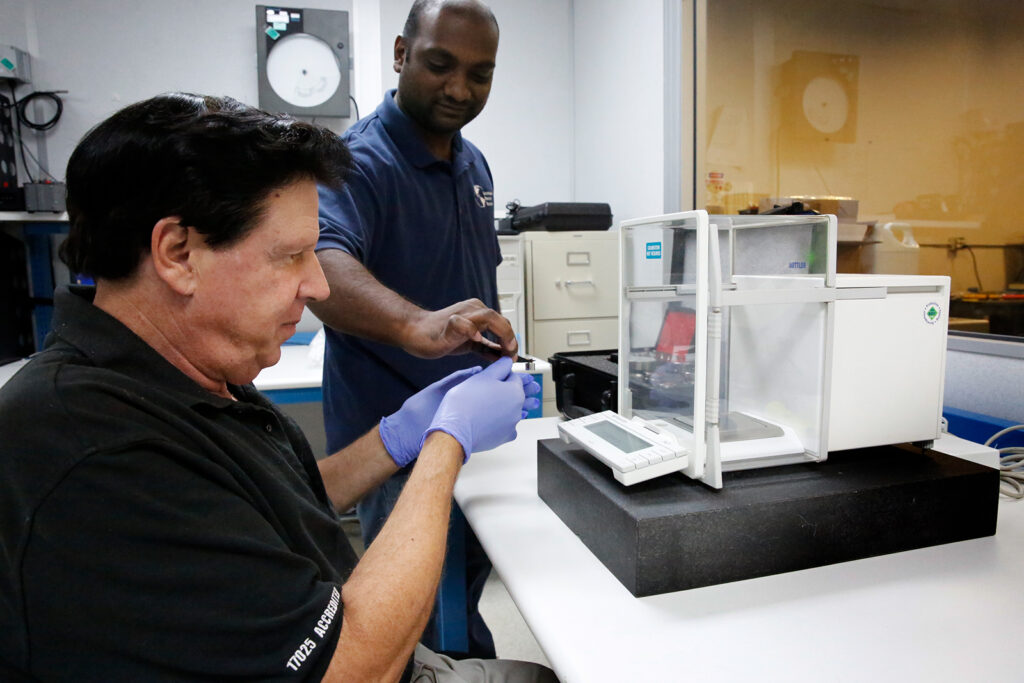
Our clients know and love our flexibility. We work with startups, Fortune 500s, and everyone in-between.
We’re here for you at every stage of your growth, creating the exact solution you need. Reach out now – we’d love to help. Call Today 650-595-7890
Service so good – it will make you look great.
When you email or call – we respond quickly, thoroughly, and with care. We believe your success is pivotal to our own.
We treat your company with the level of urgency and care we treat our own.
Send your best auditor our way. We will knock their socks off.
Email, call, fax, or fill out our form – whatever works best for you. We’re here to serve, and to help. Reach out now – we’d love nothing more than to connect.
Southern California Calibration Services
tel: 310-432-0665
Northern California Calibration Services
tel: 650-595-7890
fax: 650-595-7899
About International Process Solutions
The story behind the formation of IPS.