Accurate measurement is the backbone of quality, safety, and compliance across regulated and industrial environments. From pharmaceutical manufacturing and biotechnology to aerospace, energy, and research laboratories, even minor measurement deviations can lead to product failures, compliance violations, costly downtime, and safety risks. At International Process Solutions, we help organizations confidently determine when equipment is no longer performing within acceptable limits and restore precision through professional calibration services.
Understanding the warning signs of out-of-calibration equipment allows us to act proactively—protecting operations, data integrity, and regulatory standing.
What “Out of Calibration” Really Means
Calibration confirms that an instrument’s measurements align with traceable reference standards within defined tolerances. When equipment drifts outside these tolerances, it is considered out of calibration. This does not always mean the device has failed completely; often, it means the instrument is no longer producing measurements accurate enough to meet operational or regulatory requirements.
Over time, factors such as environmental exposure, mechanical wear, electrical instability, vibration, and frequent use gradually affect accuracy. Without routine verification, these small deviations compound into significant errors.
Inconsistent or Unexpected Measurement Results
One of the most immediate indicators that equipment may be out of calibration is inconsistent data. When repeated measurements under identical conditions produce different results, accuracy can no longer be trusted.
Common examples include:
- Temperature probes showing fluctuating readings in stable environments
- Pressure gauges drifting during continuous operation
- Balances providing variable weights for the same sample
When results no longer align with historical trends or expected outcomes, calibration verification becomes critical.
Measurements No Longer Match Known Standards
Equipment should consistently agree with reference instruments or certified standards. If discrepancies appear during cross-checking, it strongly suggests calibration drift.
Examples include:
- A torque wrench failing to reach specified torque values
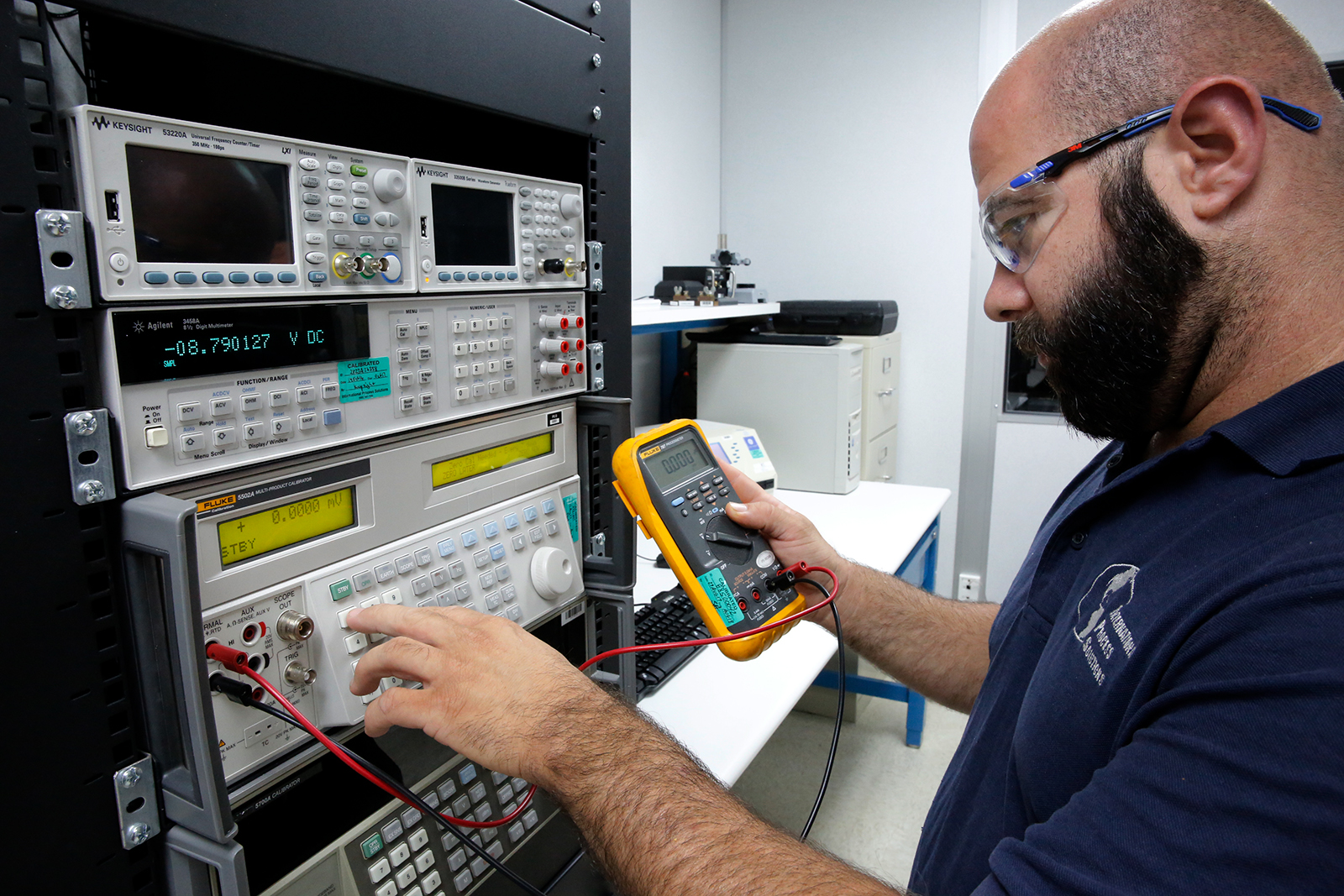
- A multimeter displaying voltage readings that differ from a known source
- Pipettes delivering volumes outside validated ranges
These mismatches signal that corrective calibration is necessary to restore confidence.
Failed Quality Control or Validation Checks
Routine quality checks often reveal calibration issues before failures escalate. When instruments begin failing internal quality controls, process validations, or acceptance criteria, calibration status should be immediately reviewed.
In regulated industries, failed validation results can halt production, delay product release, and trigger audits. Proactive calibration prevents these disruptions and keeps workflows moving.
Physical Damage or Environmental Exposure
Calibration accuracy is directly affected by physical and environmental stressors. Equipment exposed to harsh conditions is more likely to drift out of tolerance.
Risk factors include:
- Drops, impacts, or excessive vibration
- Exposure to moisture, chemicals, or corrosive environments
- Extreme temperature fluctuations or humidity
Even if equipment appears functional, physical stress can alter internal components enough to compromise accuracy.
Expired Calibration Labels or Missing Documentation
Calibration labels provide quick visibility into an instrument’s status. If a label is expired, missing, or unreadable, the equipment should be treated as suspect until recalibrated.
Equally important is documentation. Missing or incomplete calibration certificates undermine traceability and can result in audit findings or nonconformances. Up-to-date records ensure compliance and operational confidence.
Unexplained Process Deviations or Product Variability
Out-of-calibration equipment often reveals itself indirectly through process instability. If product quality changes without an identifiable cause, measurement accuracy should be evaluated.
Common scenarios include:
- Batch inconsistencies in pharmaceutical manufacturing
- Unexpected yield losses in production
- Variability in test results despite unchanged procedures
In many cases, recalibrating a single critical instrument resolves widespread issues.
Increased Adjustment or Rework Requirements
When operators frequently compensate for readings—adjusting settings, repeating measurements, or reworking outputs—it often indicates measurement drift. These workarounds increase labor costs and reduce efficiency while masking the real issue.
Proper calibration eliminates guesswork and restores reliable performance.
Compliance and Regulatory Red Flags
Regulatory frameworks such as ISO 9001, ISO/IEC 17025, FDA 21 CFR Part 11, GMP, and USP standards require documented evidence that measurement equipment is calibrated and traceable.
Red flags include:
- Instruments used beyond calibration intervals
- Calibration performed by non-accredited providers
- Lack of traceability to national or international standards
Noncompliance can result in citations, fines, or loss of certification. Regular calibration ensures readiness for inspections and audits.
Why Calibration Drift Happens Over Time
Calibration drift is unavoidable. Even high-quality instruments naturally change due to:
- Component aging
- Mechanical friction
- Electrical signal degradation
- Environmental exposure
This is why scheduled calibration intervals are essential. Waiting for failure is costly; proactive calibration maintains accuracy before issues arise.
How International Process Solutions Helps Identify Calibration Issues
At International Process Solutions, we take a comprehensive approach to calibration management. We help organizations identify, correct, and prevent out-of-calibration conditions through:
- Accredited laboratory calibration using traceable standards
- On-site calibration services to minimize downtime
- As-found and as-left data to document performance before and after calibration
- Detailed certificates aligned with regulatory requirements
- Calibration interval optimization based on usage and risk
Our expertise spans temperature, pressure, torque, pipettes, electrical instruments, dimensional tools, and pharmaceutical process equipment.
The Importance of Acting Early
Identifying out-of-calibration equipment early prevents:
- Product recalls
- Data invalidation
- Production delays
- Compliance violations
- Costly rework and waste
Calibration is not merely a maintenance task—it is a strategic safeguard for operational excellence and regulatory confidence.
Best Practices for Staying Within Calibration
Organizations that maintain consistent accuracy follow proven practices:
- Maintain a centralized calibration schedule
- Use clearly labeled calibration status tags
- Remove expired equipment from service immediately
- Partner with a trusted calibration provider
- Keep complete, audit-ready documentation
These steps ensure measurement reliability across all operations.
Why Choose International Process Solutions
We understand that accuracy is non-negotiable. Our calibration services are designed to support precision-driven industries with speed, reliability, and compliance at the forefront.
By partnering with International Process Solutions, we ensure equipment performs exactly as intended—supporting quality, safety, and confidence in every measurement.
Final Thoughts on Detecting Out-of-Calibration Equipment
Knowing when equipment is out of calibration requires attention to data trends, physical conditions, documentation, and process performance. When signs appear, immediate action preserves accuracy and protects operations.
At International Process Solutions, we help organizations eliminate uncertainty and maintain absolute measurement confidence—because precision is not optional, it is essential.